
On 23 May 2026, the Tartu Regional Energy Agency (TREA) participated in Karlova Café Day, the most popular day of the annual Karlova Days festival in Tartu.
The event took place in Karlova, a historic district known for its wooden architecture, green courtyards and strong community spirit. As Karlova is also one of the pilot areas of the CEESEN-BENDER project, the festival provided a good opportunity to engage directly with local residents.
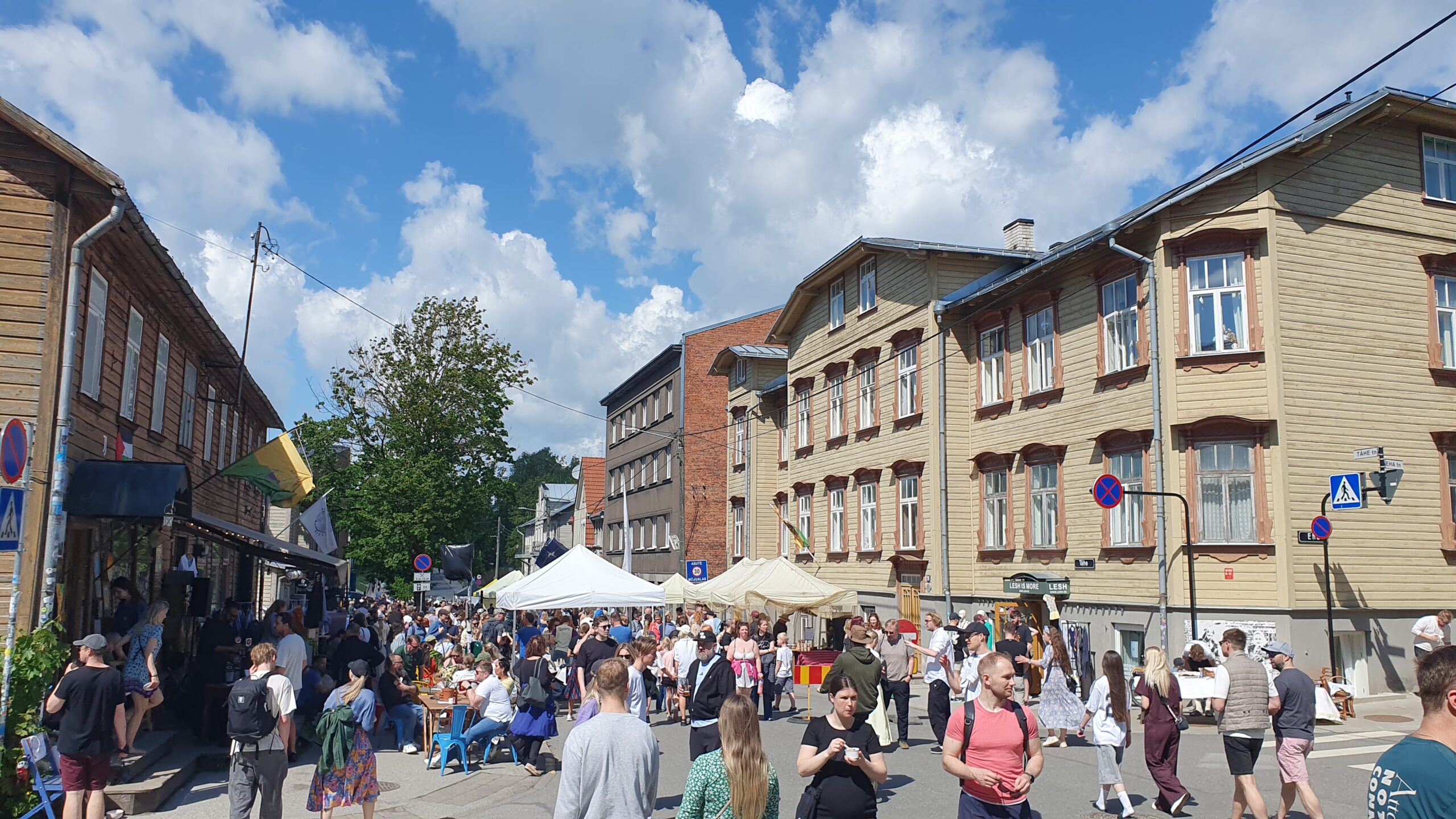
TREA offered practical advice on building renovation, energy efficiency and energy-saving measures. Visitors could discuss renovation plans, technical solutions and ways to improve the comfort and performance of their homes. The event also introduced technical renovation solutions for residential buildings, including solutions developed for detached houses within the BuildEST project.
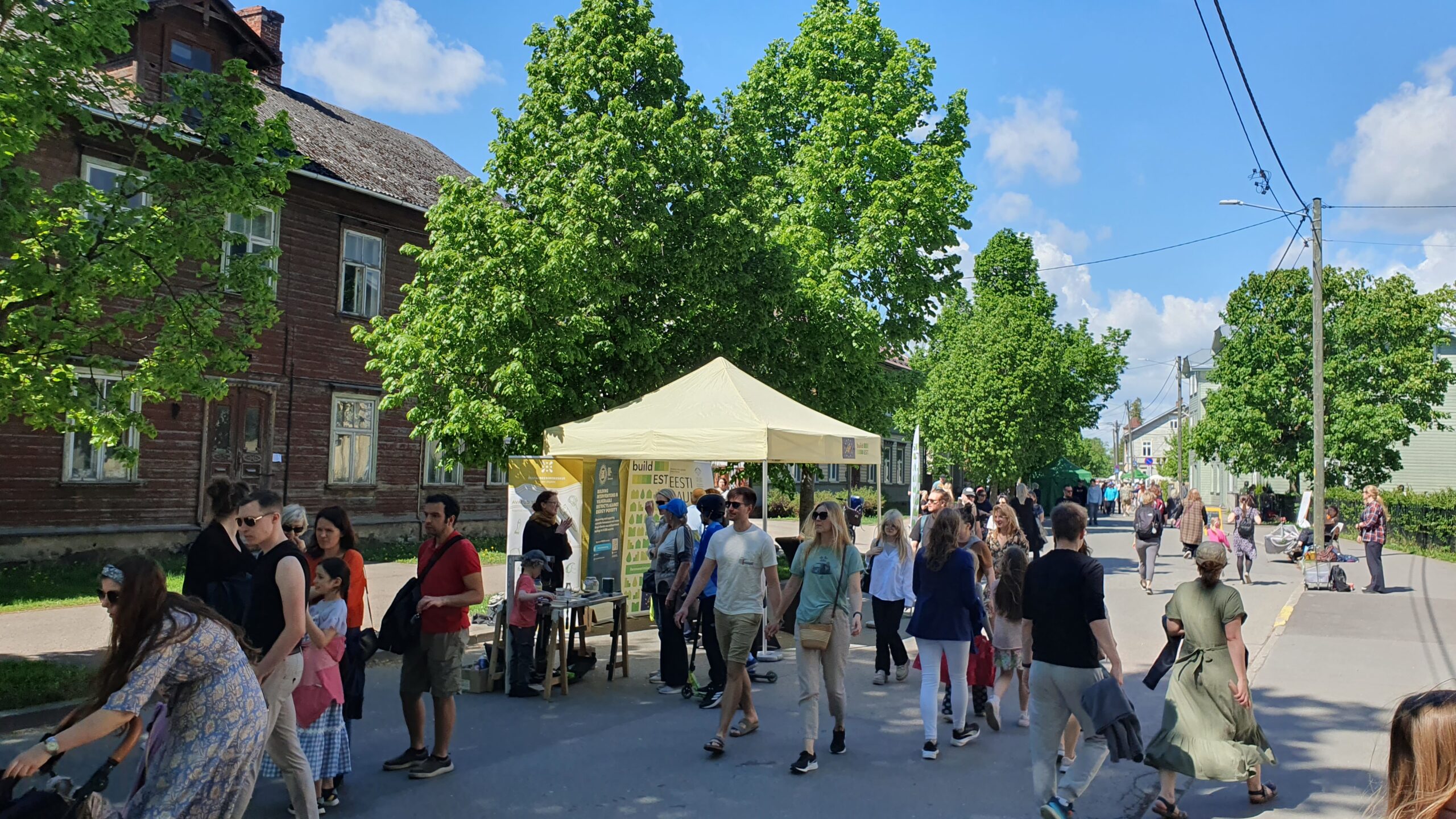
The information area also brought together other organizations working to improve the quality of the living environment. The City of Tartu presented the “Beautiful Home” competition, which recognizes inspiring and well-maintained outdoor spaces and encourages residents to contribute to a more attractive living environment. The Tartu Sustainable Renovation Information Centre (SRIK) shared practical advice on maintaining and repairing historic buildings and demonstrated traditional wooden window restoration techniques.
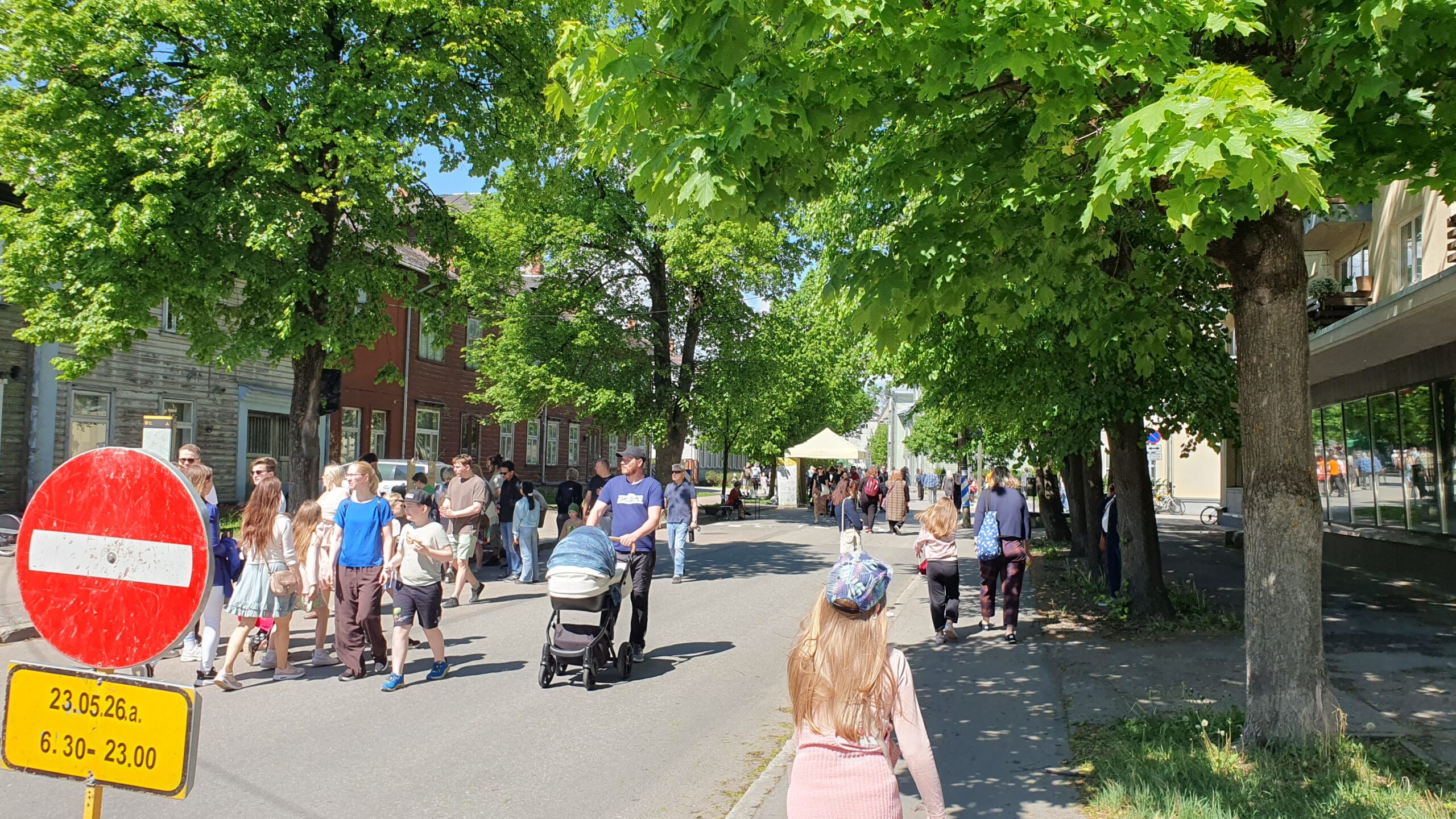
While most visitors were primarily enjoying the cafés, courtyard activities and community atmosphere that make Karlova Café Day so popular, several homeowners and residents stopped by to discuss renovation-related questions. These conversations covered topics ranging from energy savings and renovation support schemes to practical challenges faced by owners of older buildings. The event provided an opportunity to raise awareness of renovation and energy efficiency topics among residents of the CEESEN-BENDER pilot area and to engage directly with people considering improvements to their homes.
Practical Energy Saving Recommendations
Small changes in daily habits can help reduce energy consumption, lower energy costs, and improve indoor climate and comfort. The recommendations below can be applied in most buildings.
► Heating, Ventilation and Indoor Climate
☐ Lower the room temperature and avoid overheating
If the heating system allows adjustment, even a small reduction in room temperature can help reduce heating costs (approximately 5–10% per degree). Thermostats can help maintain a stable and comfortable indoor temperature.
☐ Keep radiators unobstructed
Furniture, curtains or radiator covers can restrict heat circulation and reduce heating efficiency.
☐ Clean ventilation or heat pump filters regularly
Clean filters improve ventilation performance and help equipment operate more efficiently, reducing energy use.
☐ Set the water heater temperature appropriately
For electric water heaters, a temperature of 55–60 °C is recommended. This helps limit energy use and limescale build-up while reducing the risk of Legionella growth.
☐ Maintain electric water heaters regularly
Regular maintenance helps ensure efficient operation and can extend the lifespan of the water heater.
☐ Ventilate briefly but effectively when needed
When airing a room, it is more effective to open windows fully for a short period than to leave them slightly open for a long time. In most cases, 5–10 minutes is sufficient to refresh indoor air without significantly cooling walls and furniture. In buildings with properly functioning mechanical ventilation, additional window airing should not be necessary.
☐ Use curtains and shading to help regulate indoor temperature
Curtains can help retain heat during winter and reduce overheating during summer. External shading solutions are particularly effective. During hot weather, ventilate during cooler evening and night-time hours.
► Electrical Appliances and Electricity Use
☐ Review your electricity supply and network contracts
The terms of your electricity supply and network contracts can affect your electricity bill even if your electricity use remains unchanged. It is worth reviewing available options from time to time.
☐ Schedule electricity use wisely
Using high-energy appliances during lower-cost periods may help reduce electricity costs, depending on your electricity tariff and network contracts.
☐ Choose energy-efficient appliances and lighting
Energy-efficient appliances consume less electricity. When purchasing a new appliance, check the energy label. LED lighting uses less electricity and lasts longer.
☐ Switch off appliances and lighting when not in use
Turning appliances off completely, rather than leaving them in standby mode, can help reduce electricity use. This is particularly important for older appliances, which may use more electricity in standby mode. Lighting should be switched off in unoccupied rooms. Power strips with on/off switches can make this easier.
☐ Use screen brightness controls and power-saving settings
Reducing screen brightness and enabling power-saving modes can help lower electricity use. Larger screens typically consume more energy than smaller ones.
► Kitchen and Cooking
☐ Run the dishwasher only when fully loaded
Running a full dishwasher and using lower-temperature programmes can help reduce both water and energy use.
☐ Use the right size cookware and lids
Pots and pans that match the size of the cooking zone, together with lids, help food cook faster and reduce energy use.
☐ Boil only the amount of water you need – preferably in a kettle
Electric kettles are usually more energy-efficient than a stove. Boil only the amount of water you need. Water does not always need to be brought to a boil. If buying a new kettle, consider one with temperature control.
☐ Make use of residual heat when cooking
For some dishes, switch off the oven shortly before the end of cooking and use the remaining heat.
► Refrigerator and Freezer
☐ Set the refrigerator to the recommended temperature
The recommended refrigerator temperature is around 4–5 °C. Setting the temperature lower than necessary increases energy use.
☐ Keep the refrigerator away from heat sources
Refrigerators operate more efficiently when located away from ovens, stoves and direct sunlight. Exposure to heat sources increases the amount of energy required for cooling.
☐ Defrost the refrigerator and freezer when needed
Ice build-up reduces efficiency and increases energy use. Appliances equipped with No Frost technology defrost automatically and do not require manual defrosting.
☐ Allow hot food to cool before placing it in the refrigerator
Placing hot food directly in the refrigerator raises the internal temperature and increases energy use.
☐ Open refrigerator doors only when necessary
Keeping door openings short and infrequent helps maintain a stable temperature and reduces energy use.
► Washing and Drying
☐ Wash laundry at lower temperatures
In most cases, washing at 30–40 °C is sufficient. Lower temperatures reduce energy use and can help limit limescale build-up. Appliance manuals often provide information on the energy use of different programmes.
☐ Run the washing machine with a full load
A reasonably full washing machine uses both water and energy more efficiently.
☐ Use eco or short programmes whenever suitable
These programmes are designed to reduce energy and water consumption.
☐ Air-dry laundry whenever possible
Drying laundry on a line or drying rack requires no additional energy. When drying laundry indoors, ensure adequate ventilation to prevent excess moisture and condensation.
☐ Maintain and use tumble dryers correctly
Cleaning filters regularly and following the manufacturer’s instructions can help reduce drying times and energy use.
► Water Use
☐ Reduce water use during washing and showering
Showers use less water and energy than baths. Reducing the time spent showering can help save both water and the energy required to heat it. Water consumption can exceed 10 litres per minute, increasing both water and energy costs.
☐ Prevent leaks and dripping taps
A dripping tap or leaking toilet can waste significant amounts of water and energy over time.
☐ Turn off taps when water is not needed
Turning off the tap while brushing your teeth or during other activities when water is not actively needed can significantly reduce water consumption. A running tap can use up to 20 litres of water in just two minutes.
☐ Use water-saving taps and aerators
Water-saving taps and aerators help reduce water consumption without noticeably affecting comfort or convenience.
☐ Adjust toilet flush volumes
Many toilets allow flush volumes to be adjusted. Reducing the amount of water used per flush can help save water. Typical settings are around 6 litres for a full flush and 3 litres for a reduced flush.
☐ Use dual-flush systems correctly
Dual-flush toilets provide different flush options for different needs. Using the smaller flush whenever appropriate can significantly reduce water consumption.