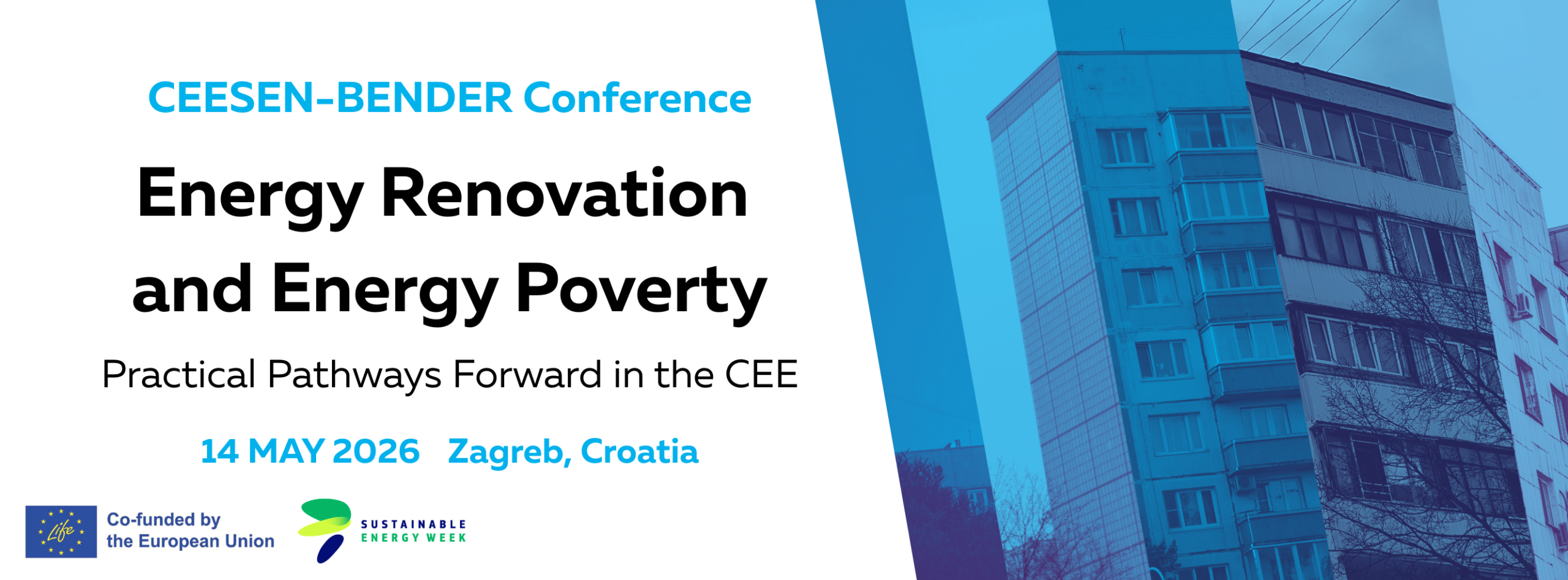
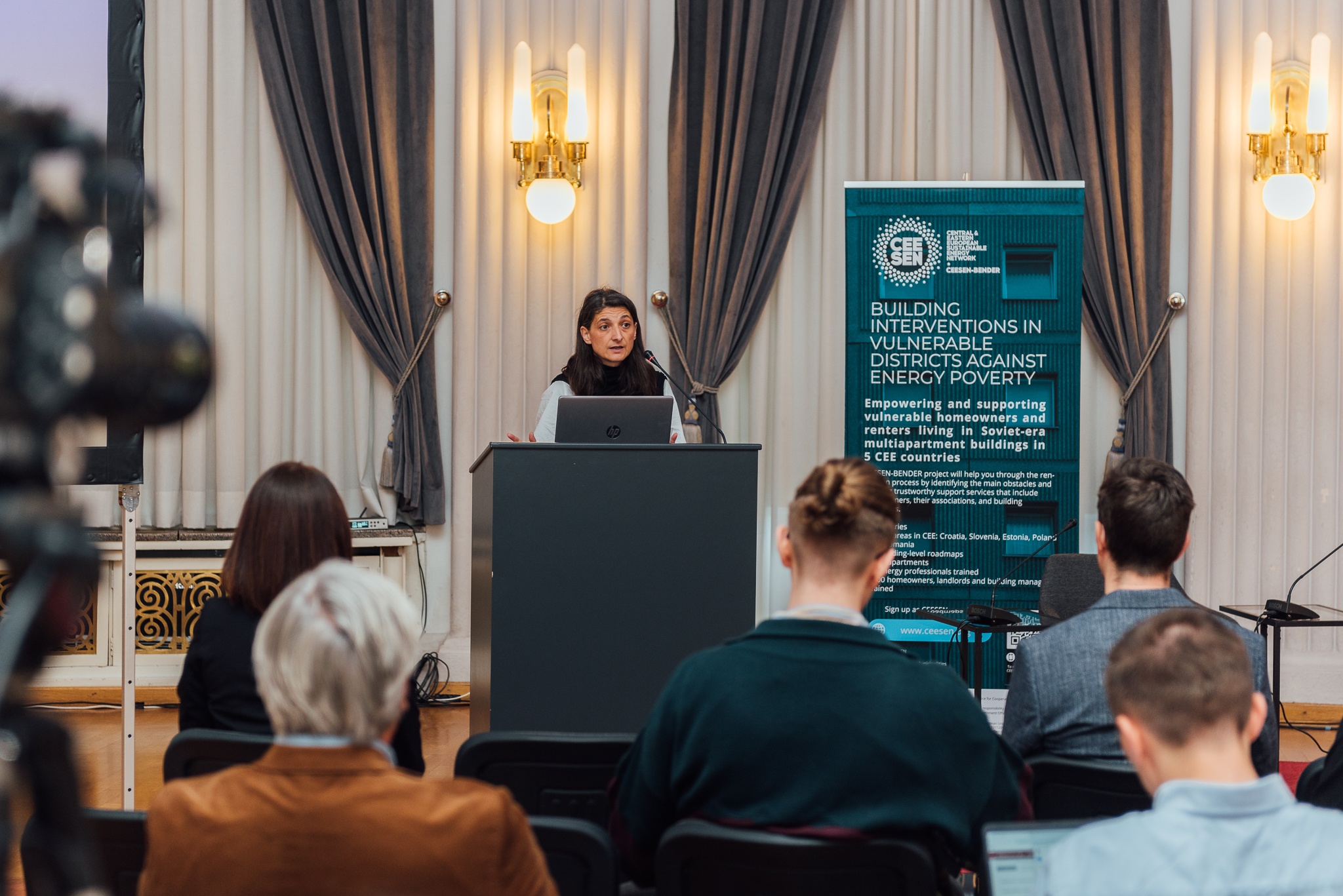
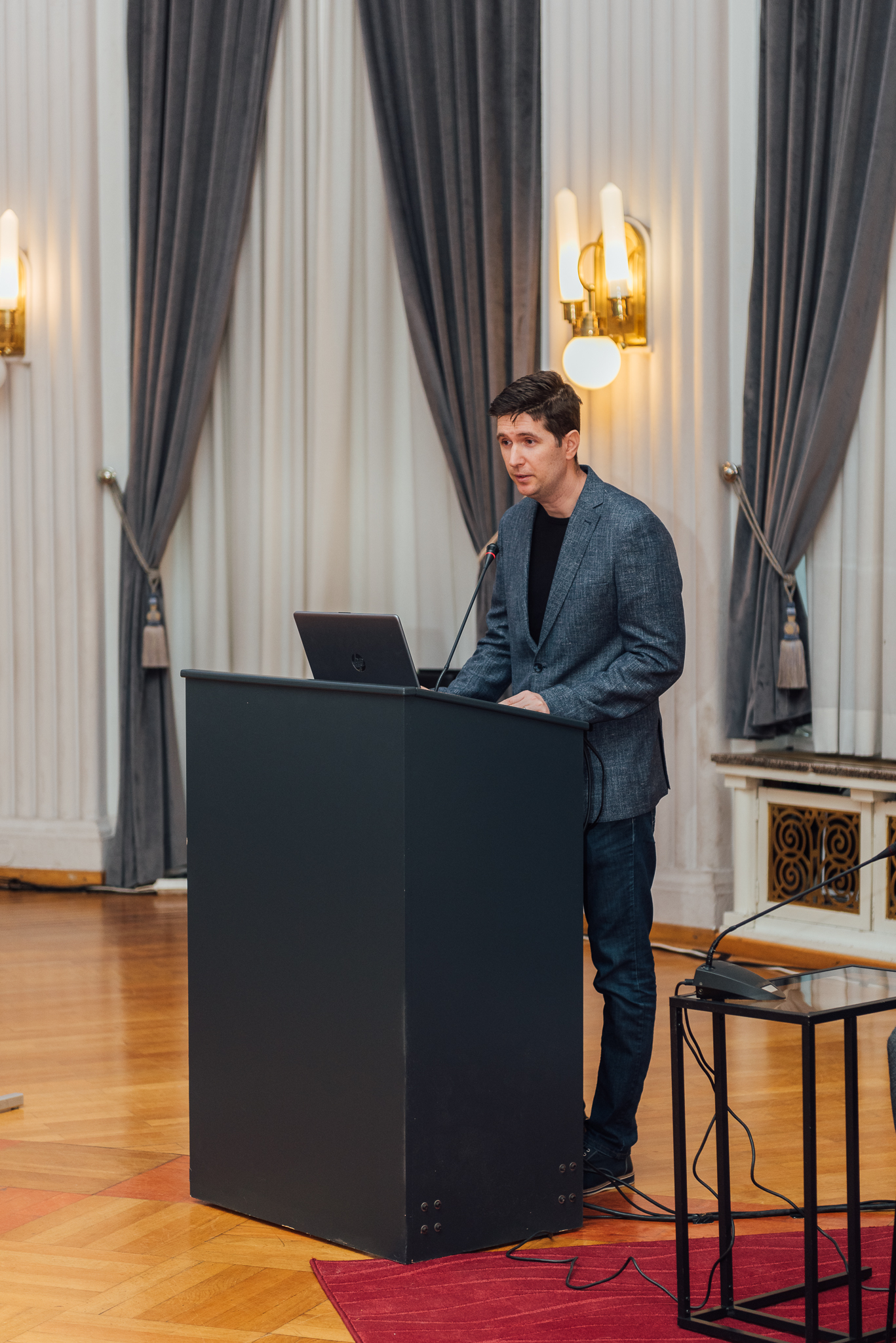
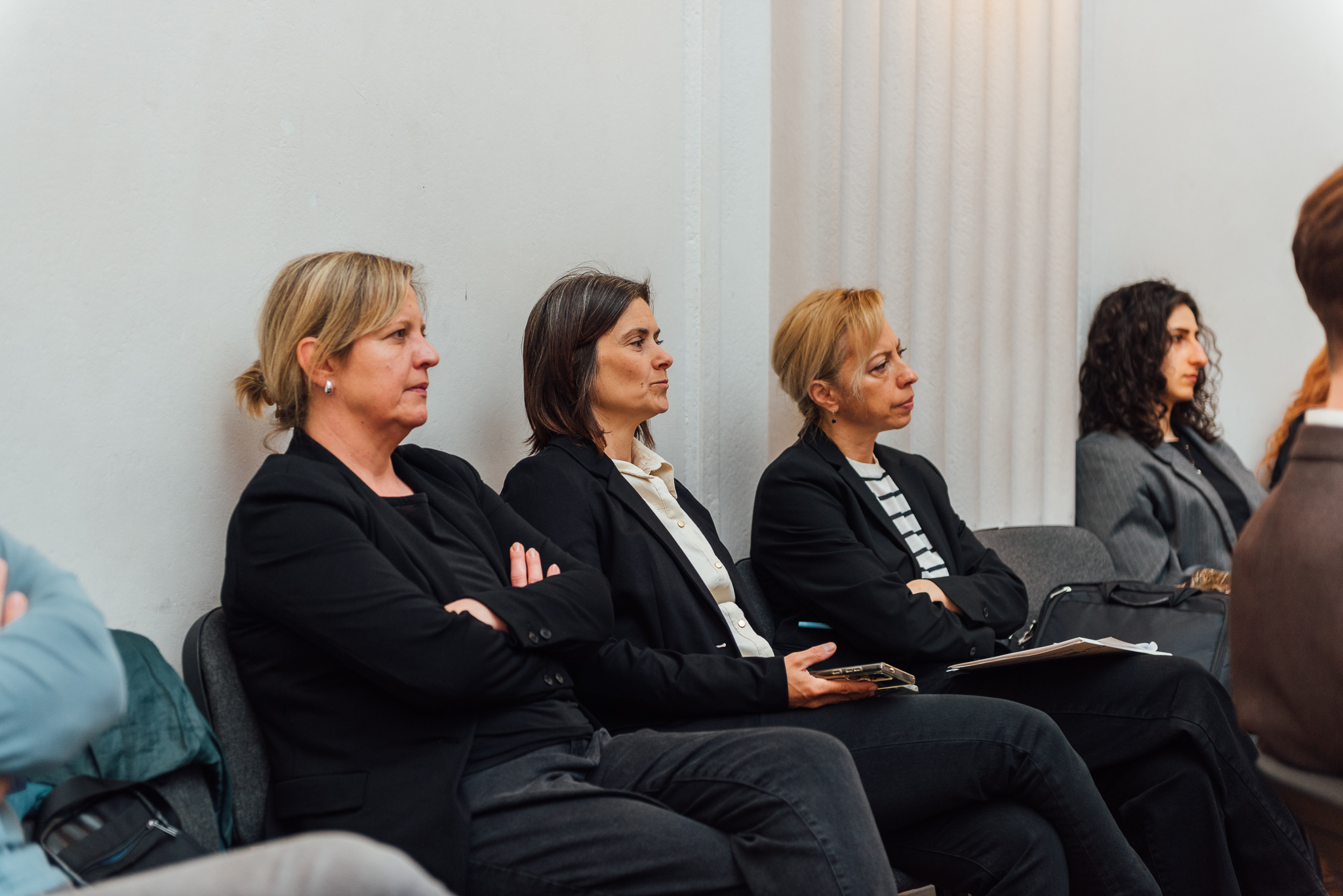
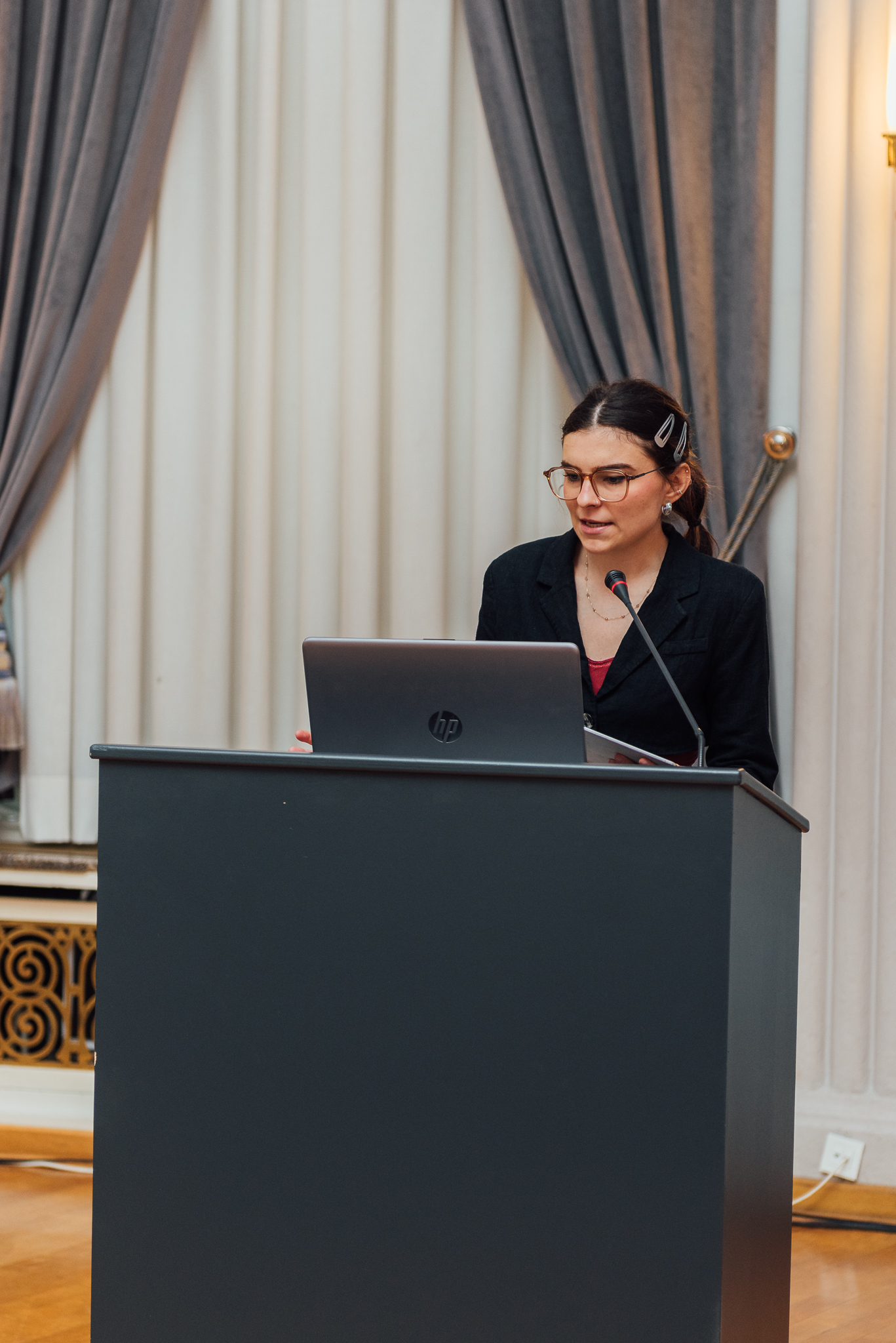
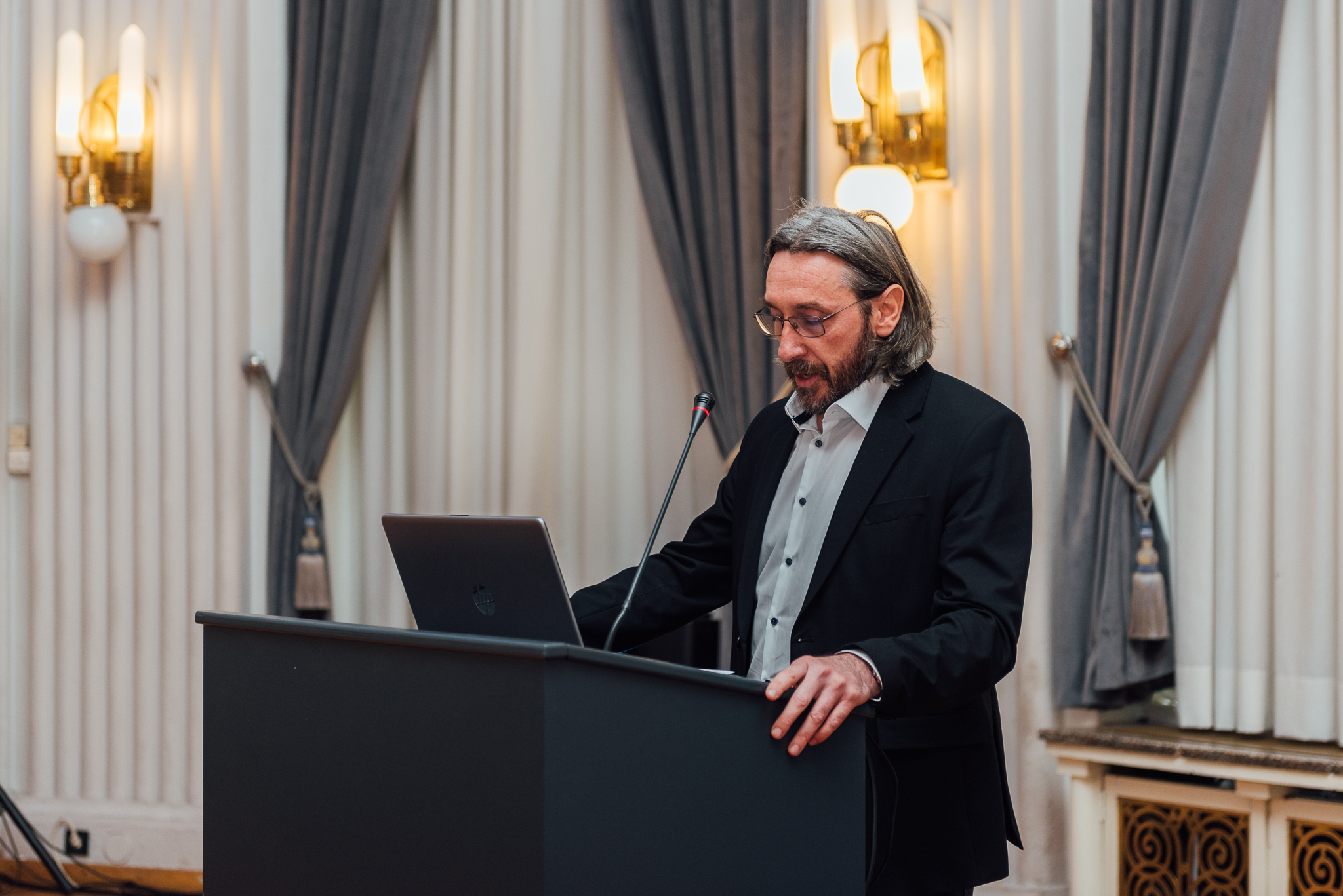
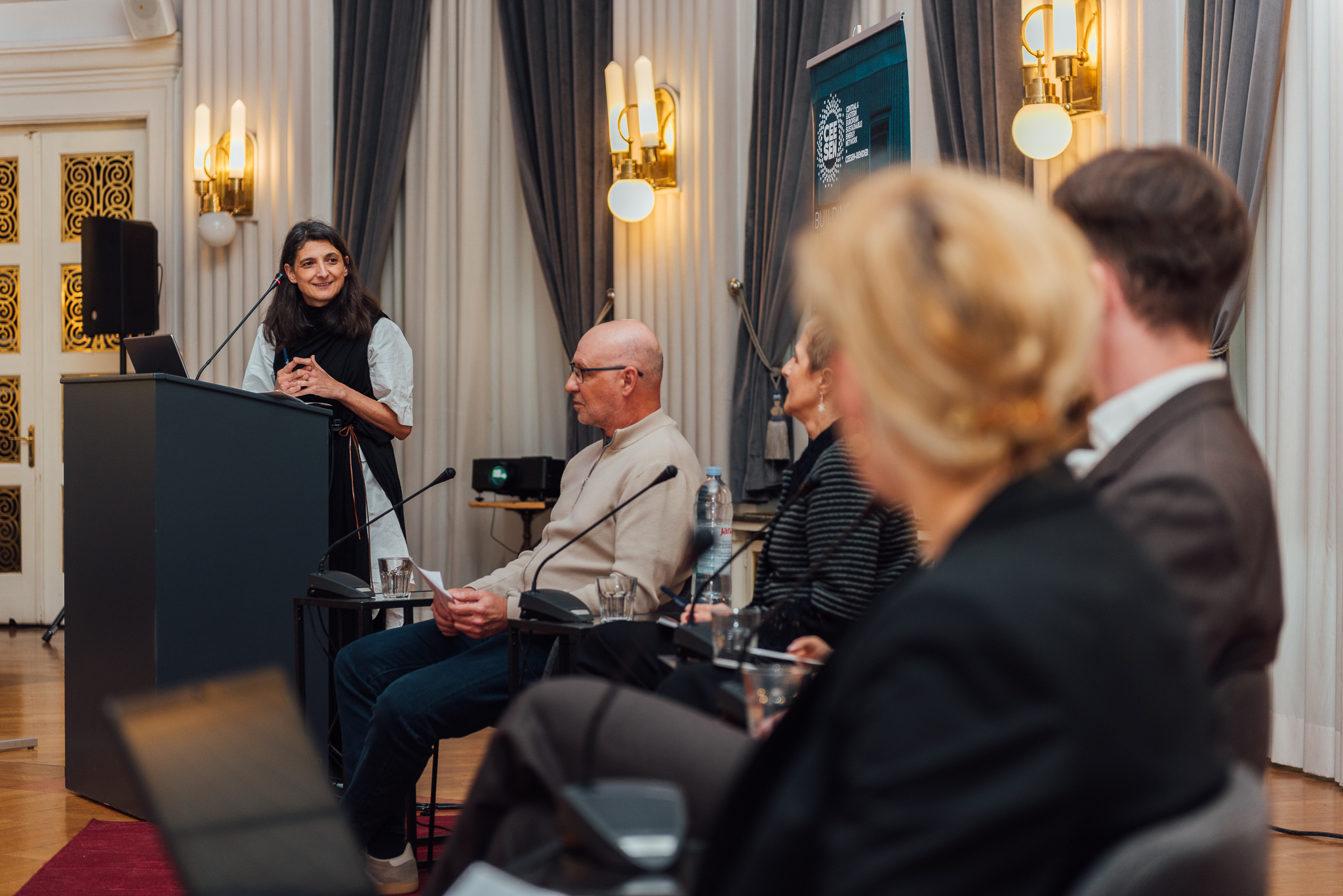
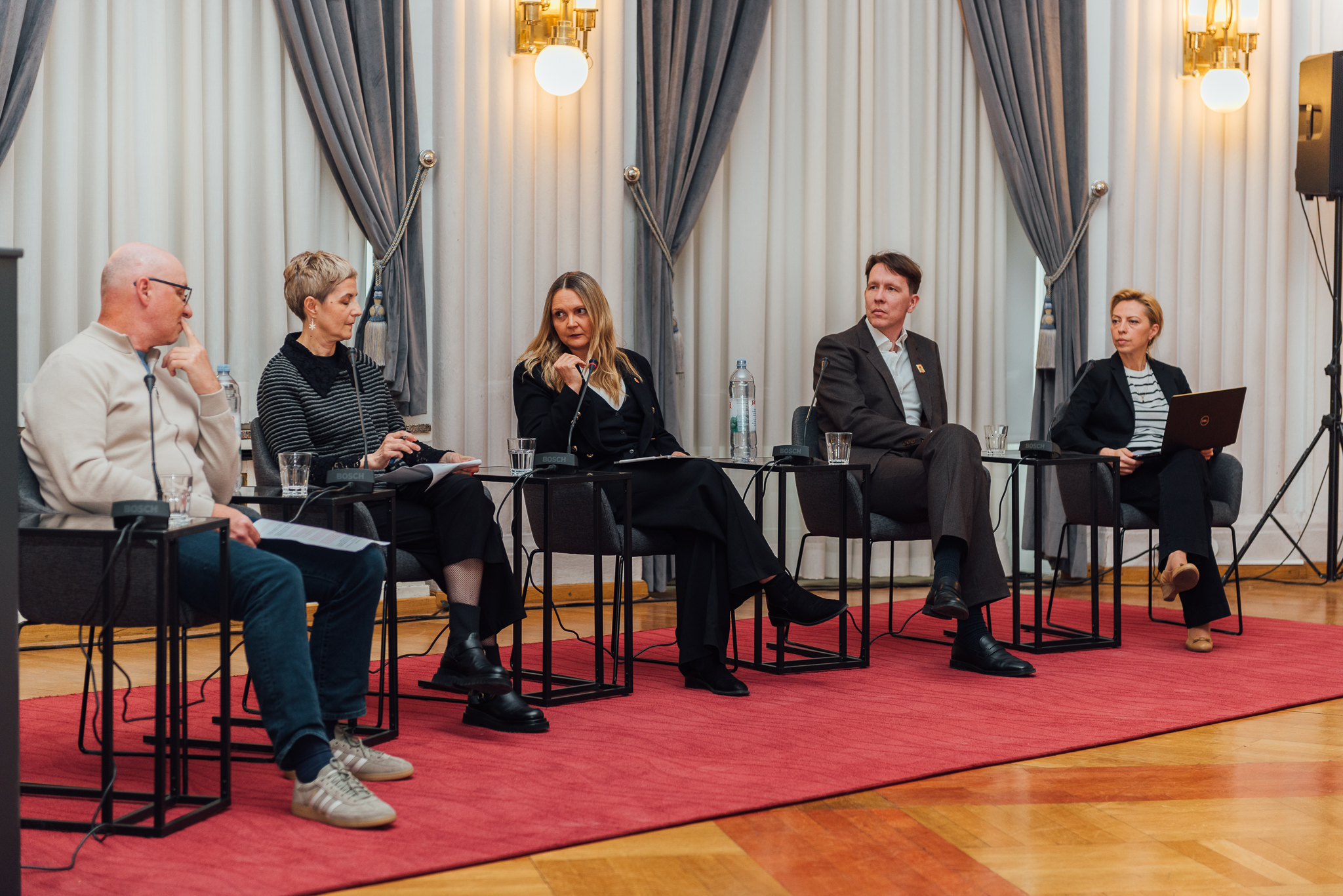
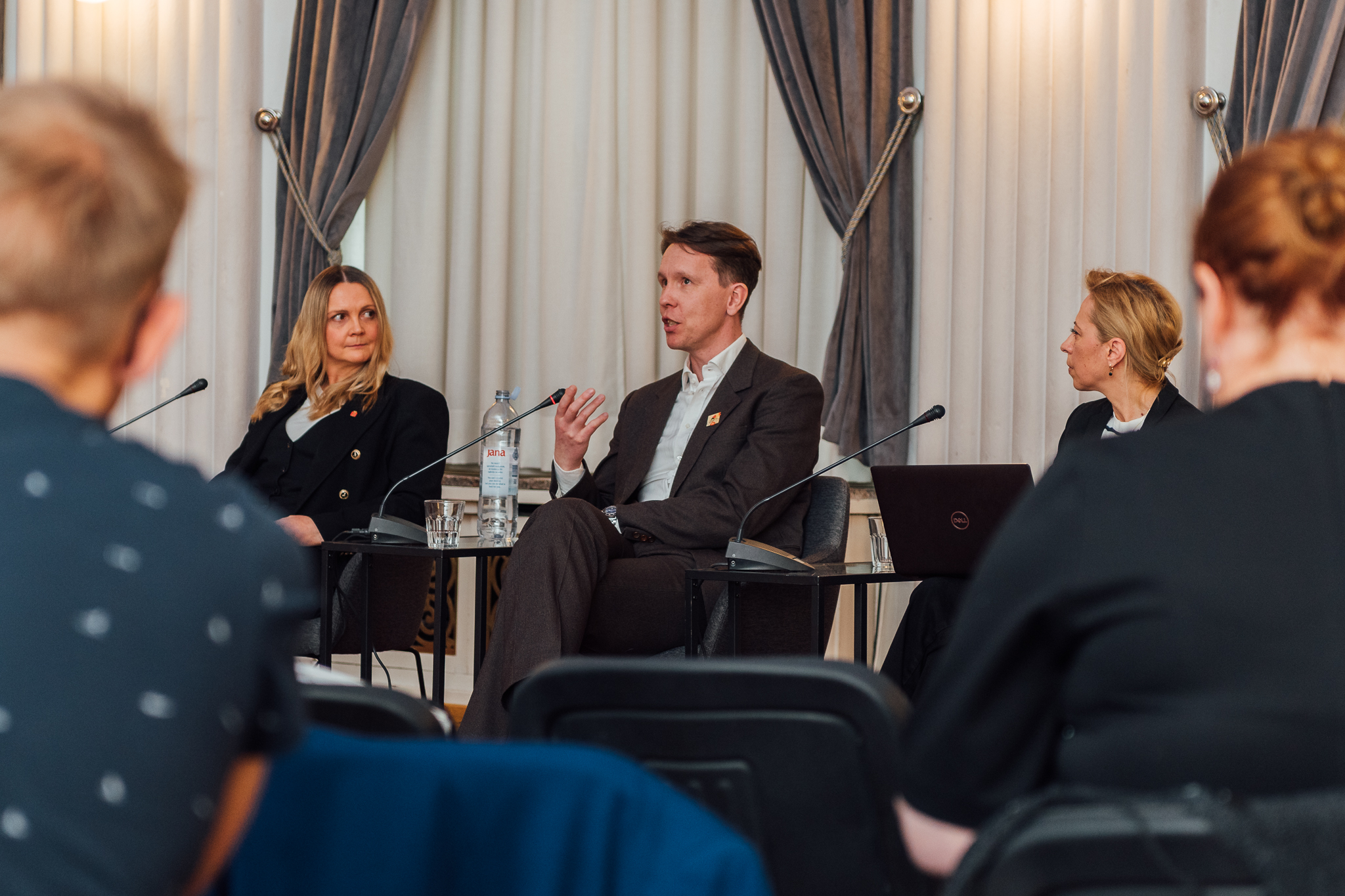
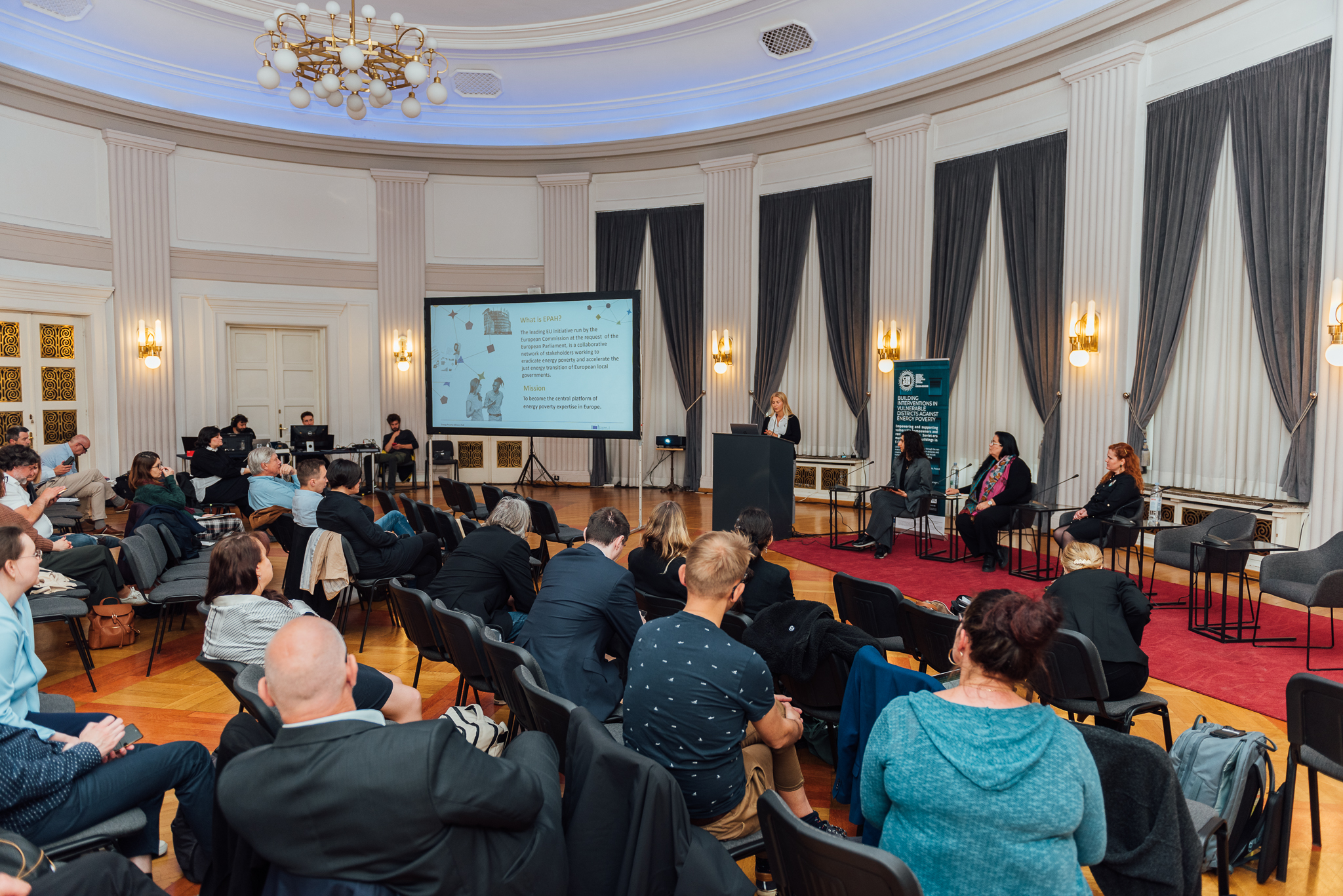
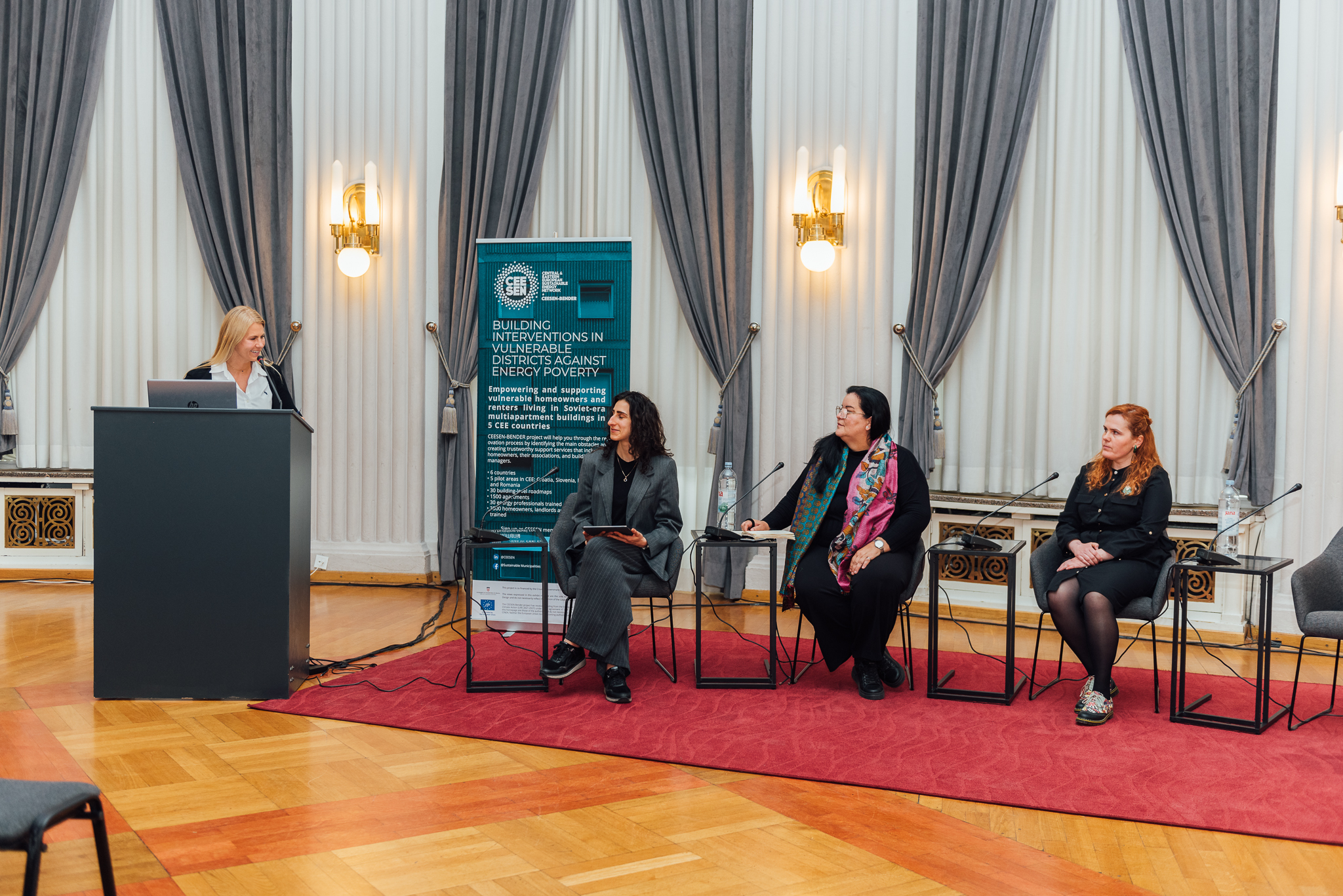
CEESEN-BENDER conference, held on 14 May 2026, gathered energy poverty experts to discuss best practices, tools and financing models for supporting vulnerable households across Central and Eastern Europe.
Bringing together participants from Croatia, Estonia, Poland, Romania, and Slovenia, the conference covered renovation and climate plans, practical financing models to support vulnerable households, and a showcase of tools, solutions, and best practices from EU projects and partner cities.
The forum was designed for policymakers, financiers, local authorities, housing associations, civil society organisations, and citizens engaged in or affected by building renovation across Central and Eastern Europe.
This event was part of the European Sustainable Energy Week 2026 programme.
Full Agenda
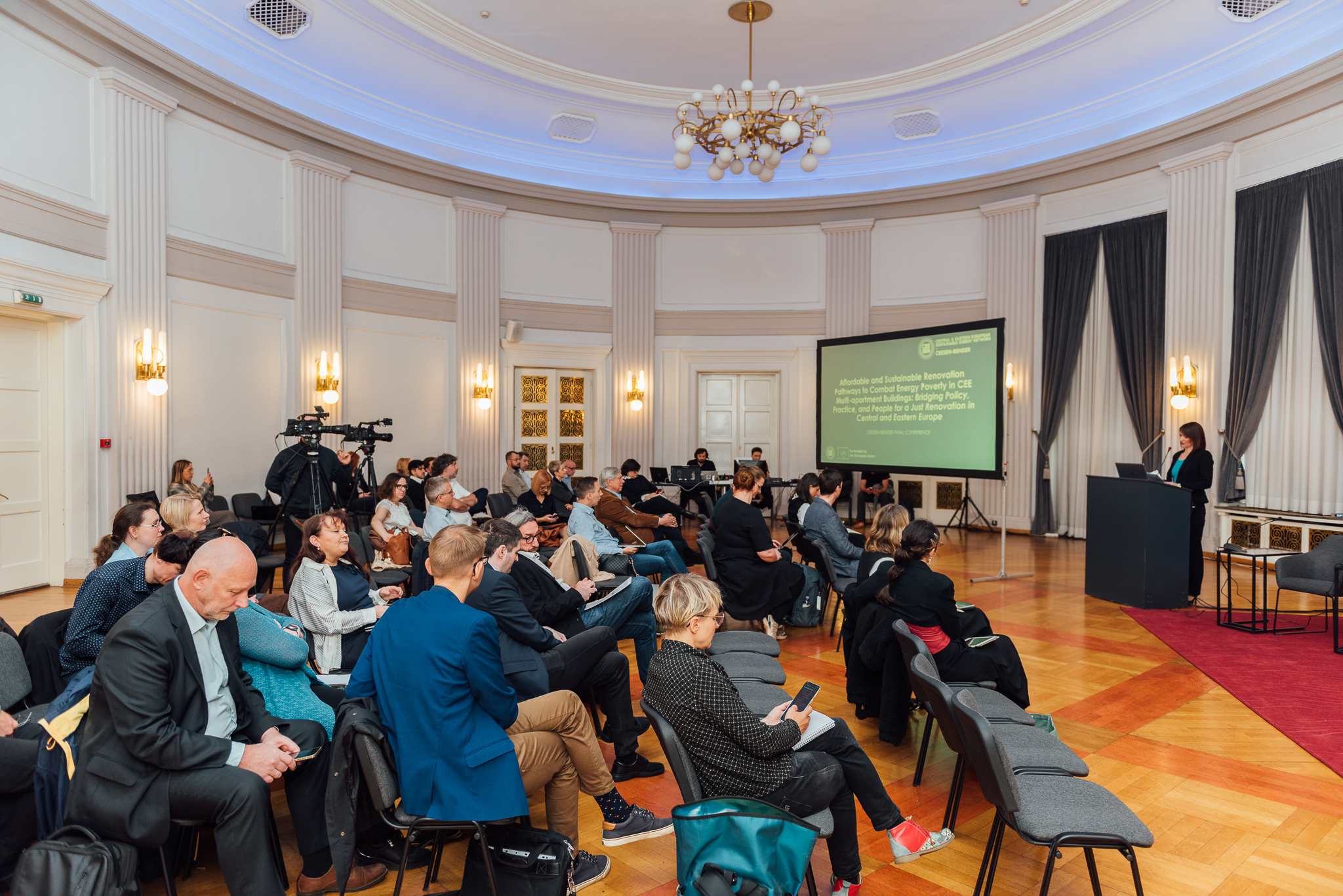
Affordable and Sustainable Renovation Pathways to Combat Energy Poverty in CEE Multi-apartment Buildings: Bridging Policy, Practice, and People for a Just Renovation in Central and Eastern Europe
14 May 2026 – Zagreb, Croatia
Venue: Hrvatsko novinarsko društvo, Perkovčeva street 2, 10000, Zagreb
09:30–10:00 Arrival & Registration
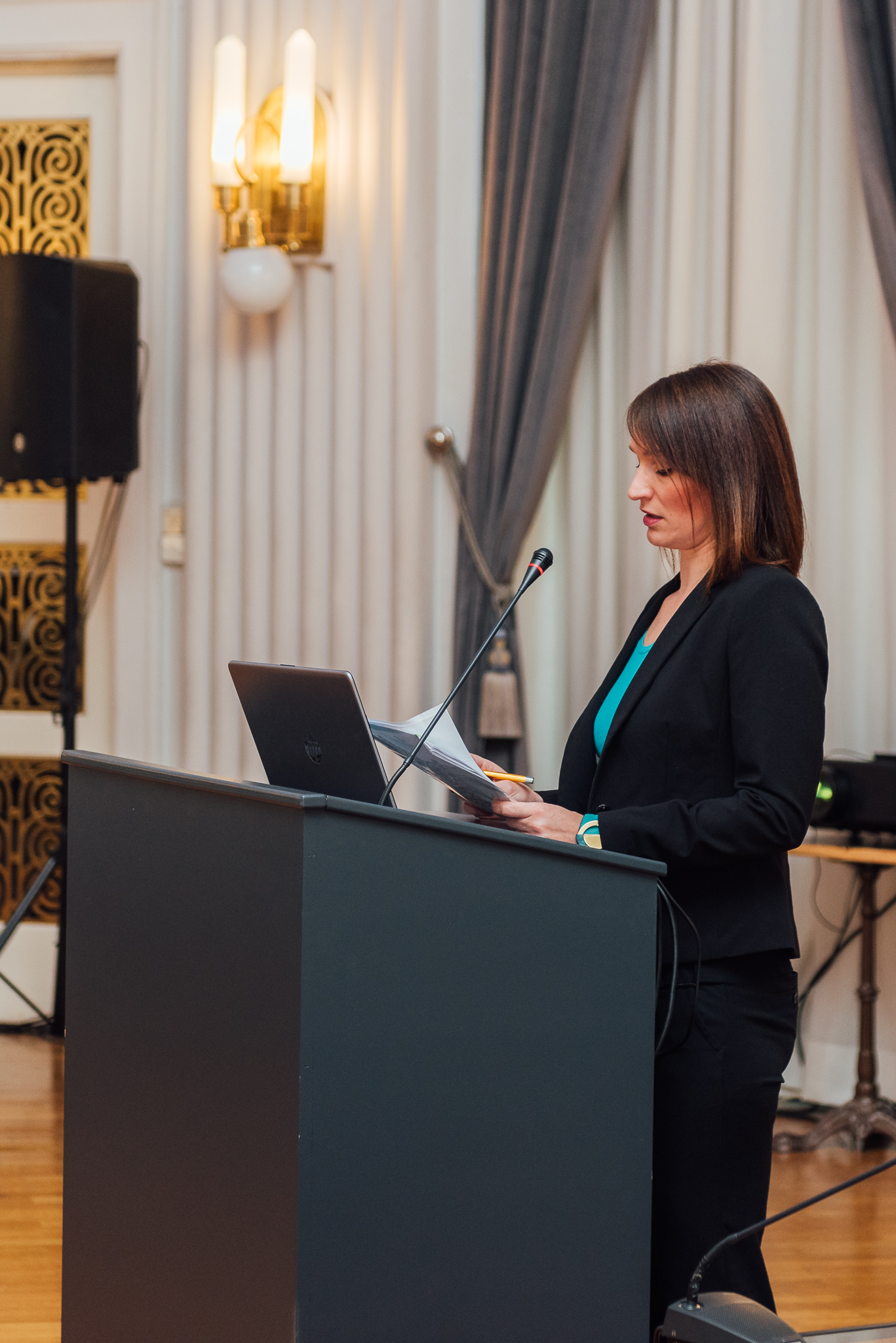
10:00–10:15 Welcome words by Miljenka Kuhar, Society for Sustainable Development Design (DOOR)
I SESSION. PRACTICAL RENOVATION SOLUTIONS FROM THE CEESEN-BENDER PROJECT
10:15–10:35 CEESEN-BENDER Project’s Goals and Impact. Matija Eppert, DOOR
10:35–10:55 Energy Poverty Survey Results from CEE countries. Tomislav Cik, DOOR
10:55–11:15 Simple Renovation ROI Calculator Demo. Julia Bartkowiak, Mazovia Energy Agency (MAE)
11:15–11:35 Synthesis of Building Renovation Pilot Area Roadmaps across 5 CEE countries. Tiberiu Toma, Alba Local Energy Agency (ALEA)
11:35–11:55 Synthesis of Insights on Building Renovation Barriers and Policy Recommendations. Eva Suba, Climate Alliance (CA)
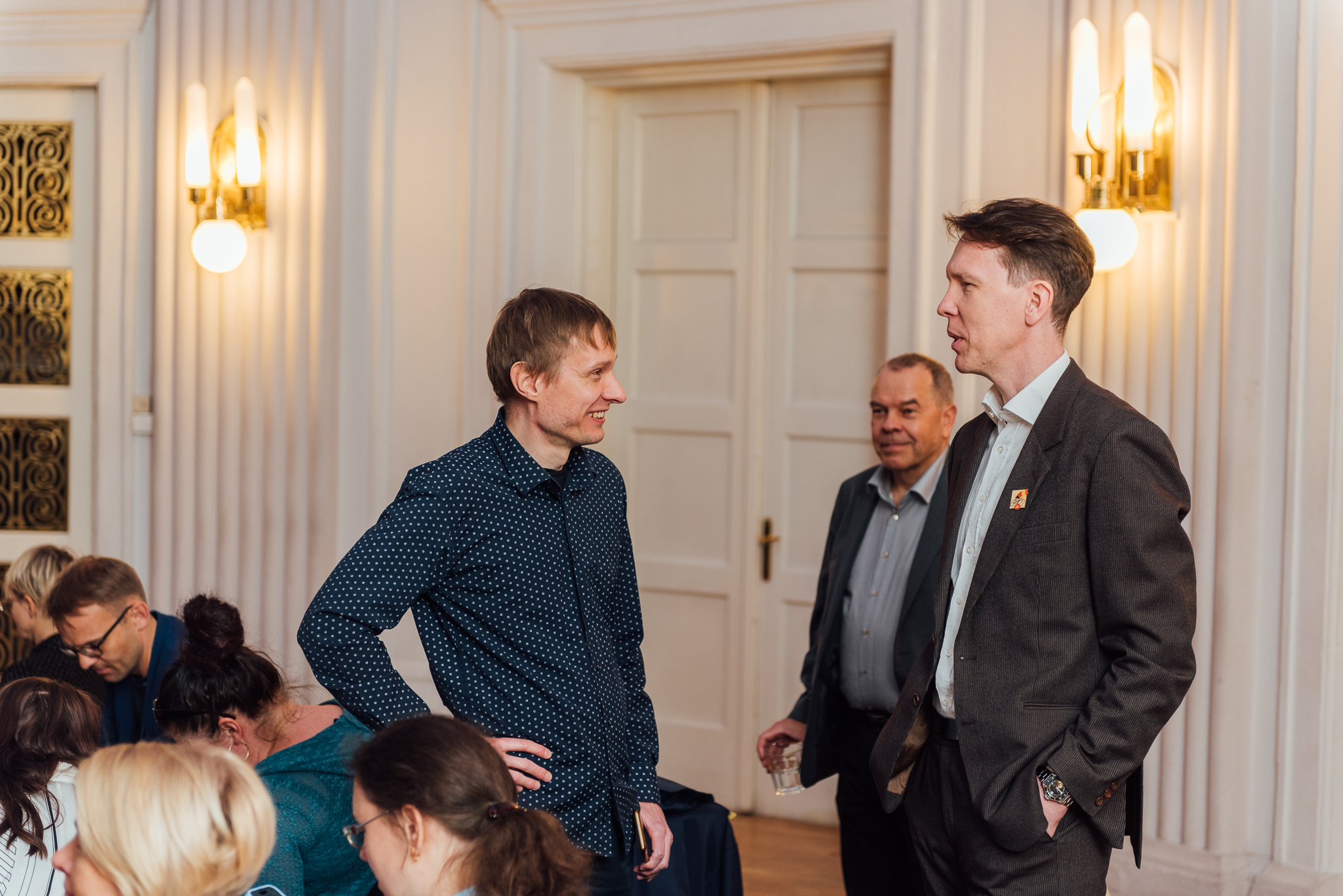
12:00–12:30 Coffee Break & Networking
II SESSION. PRACTICAL TOOLS FROM SISTER PROJECTS
12:30–12:45 MESTRI-CE Tools for Smart and Sustainable Management of Public and Private Buildings. Julia Bartkowiak & Martyna Rosiak, MAE
12:45–13:00 AI Advisory Tool to Optimise the Renovation Process from DEAP project. Rami Kotilainen, Tampere University of Applied Sciences (online presentation)
13:00–13:15 Simplifying and Accelerating Renovation with Prefabricated Facade Panels: Estonian Experience. Martin Kikas, Tartu Regional Energy Agency
13:15–13:30 Energy Efficiency Marketplace from CrossReno Project. Ena Luketić, Croatian GreenBuilding Council
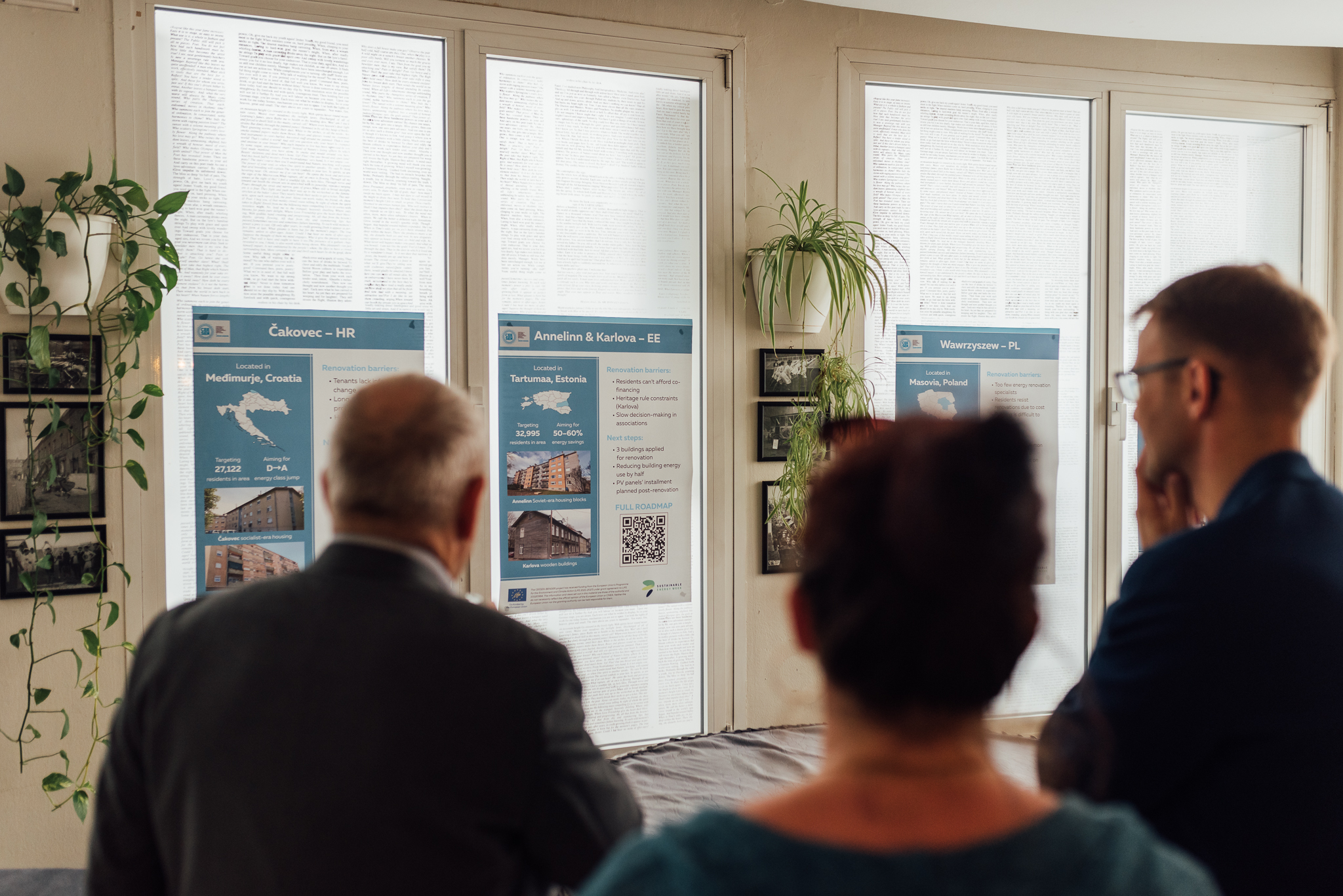
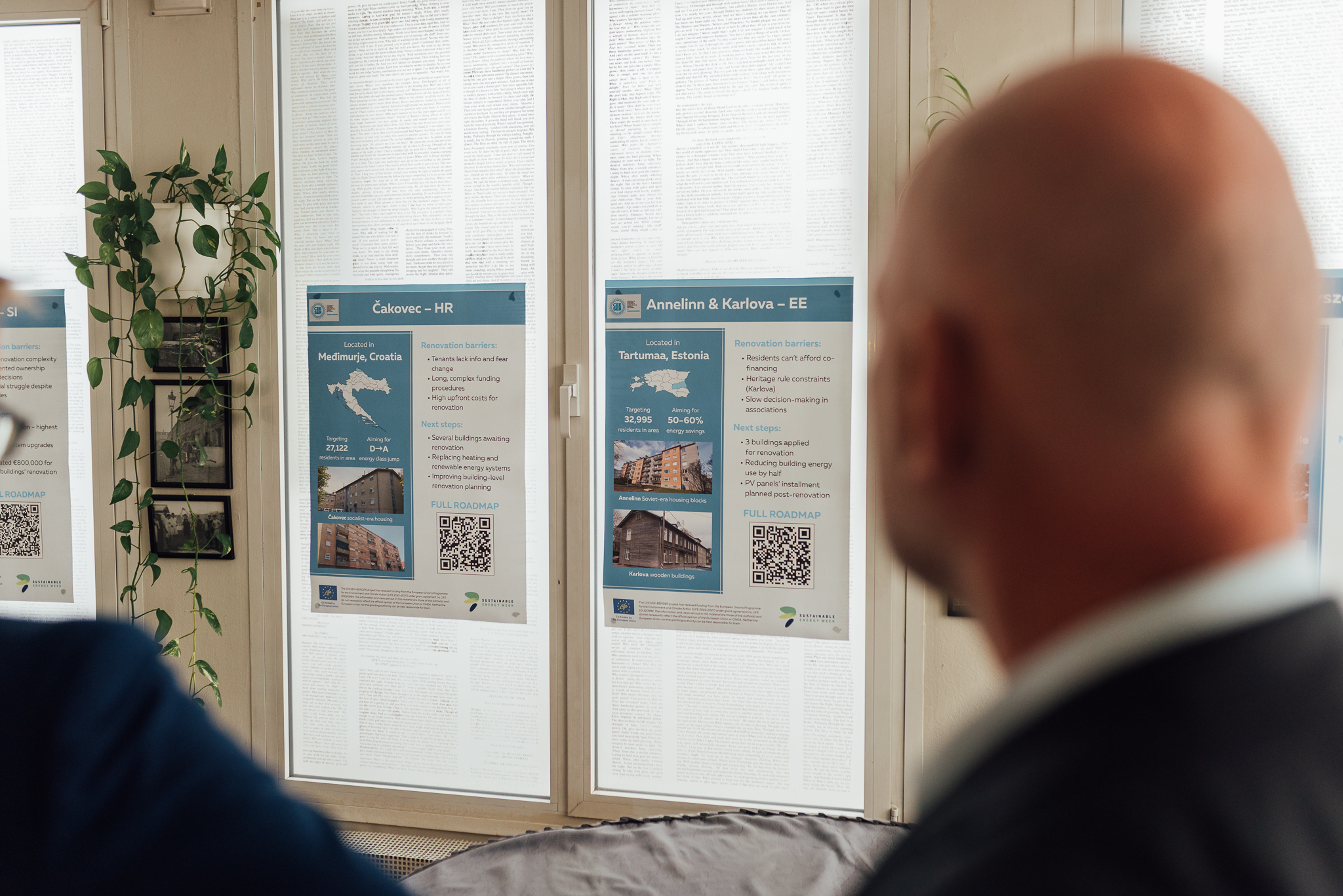
13:30–15:00 Networking lunch & poster presentations
15:00–16:15 PANEL DISCUSSION. Policy and Practice: National Renovation Plans and Social Climate Strategies Translated into Local Actions
Moderator: Miljenka Kuhar (DOOR)
Panellists:
» Gregor Rome, Ministry of the Environment, Climate and Energy, Slovenia
» Izabela Szostak-Smith, Infrastructure Department, City Hall of Warsaw
» Kaspar Alev, Ministry of Climate, Estonia
» Andreea Sicoe, Centru Development Agency
» Marijana Butković Golub from Ministry of Physical Planning, Construction and State Assets, Croatia
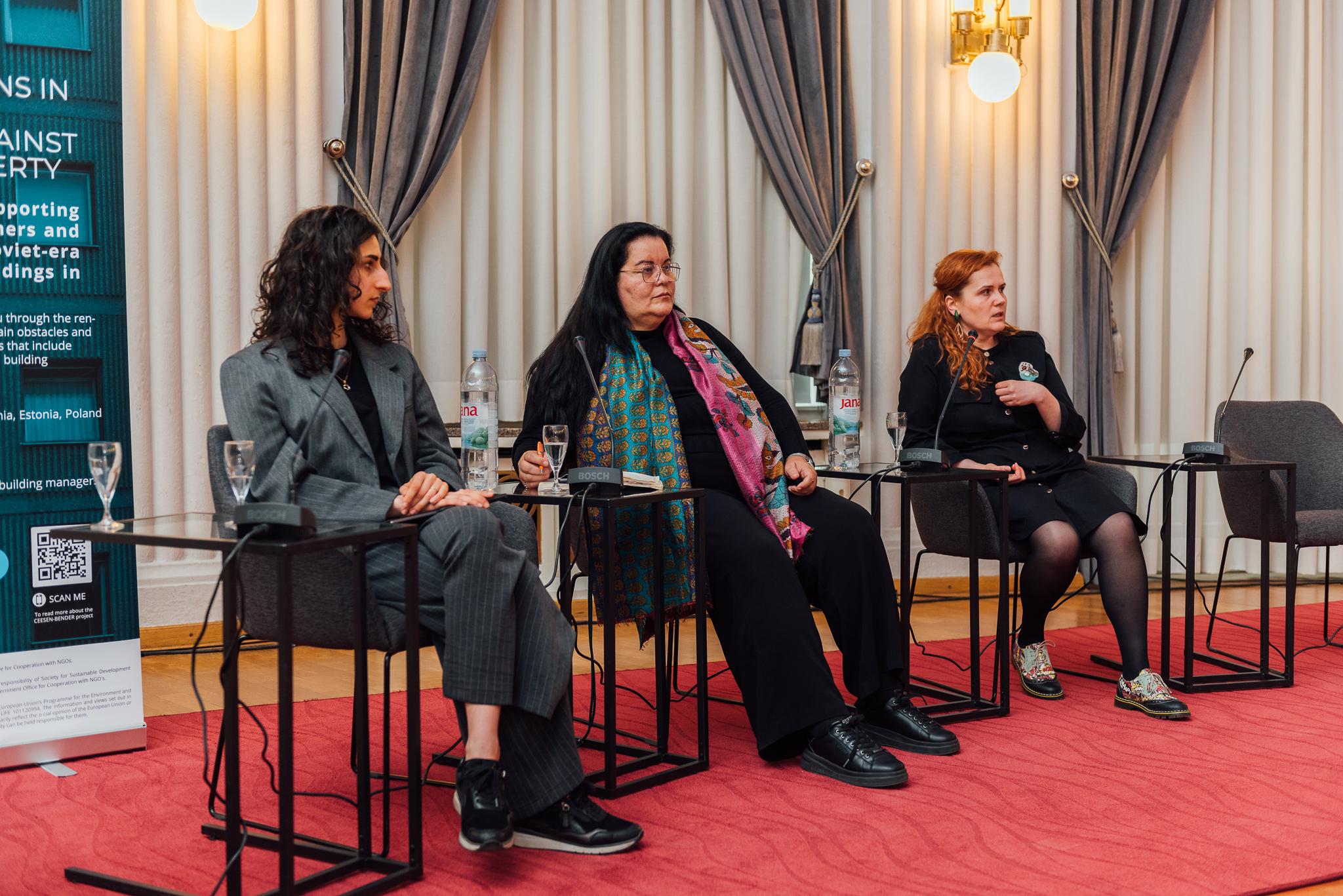
16:15–17:30 PANEL DISCUSSION. Energy Observatories and Practical Tools as Solution for Addressing Energy Poverty
Moderator: Kristina Eisfeld (Energy Poverty Advisory Hub)
Panellists:
» Karine Jegiazarjana, CA
» Alice Corovessi, Initialising Energy Balance Towards Zero (INZEB)
» Irina Tatu, Romanian Network of Energy Cities
18:30 Networking dinner at The Swanky Bar (Ilica 50, 10000, Zagreb).
The CEESEN-Bender project has received funding from the European Union’s Programme for the Environment and Climate Action (LIFE 2021-2027) under grant agreement n° LIFE 101120994.
The information and views set out in this homepage are those of the author(s) and do not necessarily reflect the official opinion of the European Union or CINEA. Neither the European Union nor the granting authority can be held responsible for them.