From 11–13 May 2026, the EnTRA Platform Project, which CEESEN is part of, participated in the 17th Annual Forum of the EU Strategy for the Baltic Sea Region (EUSBSR) in Tallinn, Estonia.
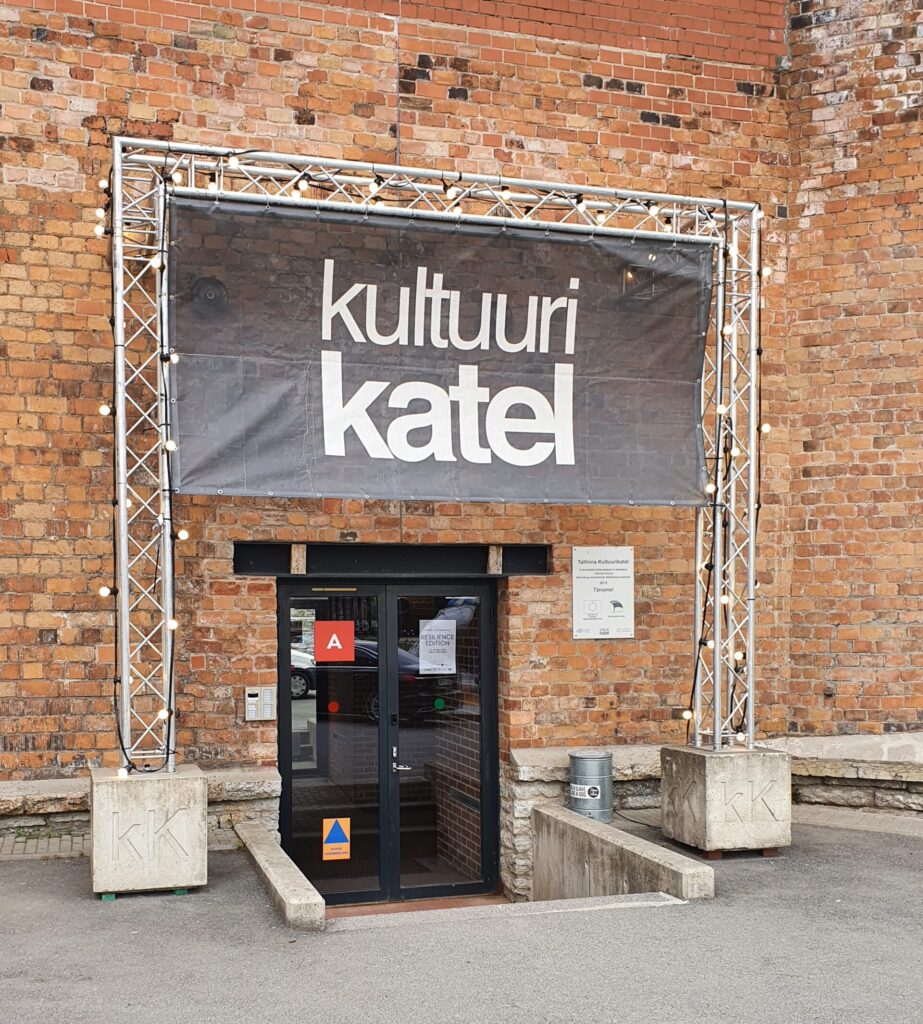
Hosted at the iconic Kultuurikatel – a former power plant transformed into a creative and innovation hub – the venue provided a symbolic setting for discussions on resilience, sustainability, and the future of the Baltic Sea Region.
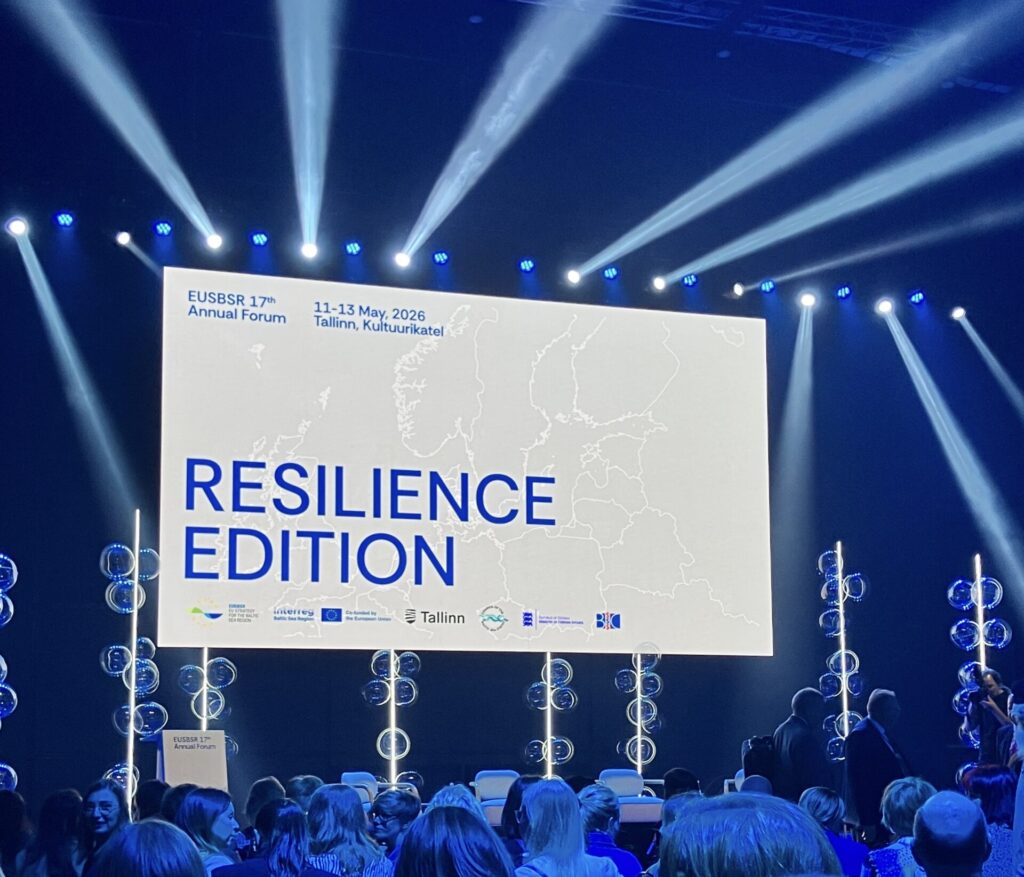
This year’s forum was held under the theme “Co-Governing Resilience: Shaping Secure, Connected and Thriving Societies.” Bringing together more than 700 participants from governments, cities, academia, civil society, and international organisations, the event focused on how the Baltic Sea Region can respond to increasingly interconnected challenges through stronger cooperation and coordinated action. Discussions centered around four key themes: security and geopolitical uncertainties, demographic change and competitiveness, climate change and the Baltic Sea environment, as well as governance, implementation gaps, and financing.
Mariia Andreeva from the Union of the Baltic Cities said that the importance of resilience has dramatically increased in recent years. She added that addressing challenges such as demographic change, security risks, climate resilience and the energy transition requires both macroregional cooperation and local action.
“The strongest impressions for me came from the direct exchange, learning from each other and building new connections. We had a lot of exchange, especially with cities, at the stand of the Union of the Baltic Cities, including discussions on the energy transition, climate action and how cities can better align their efforts with climate neutrality goals through climate budgeting,” said Andreeva.
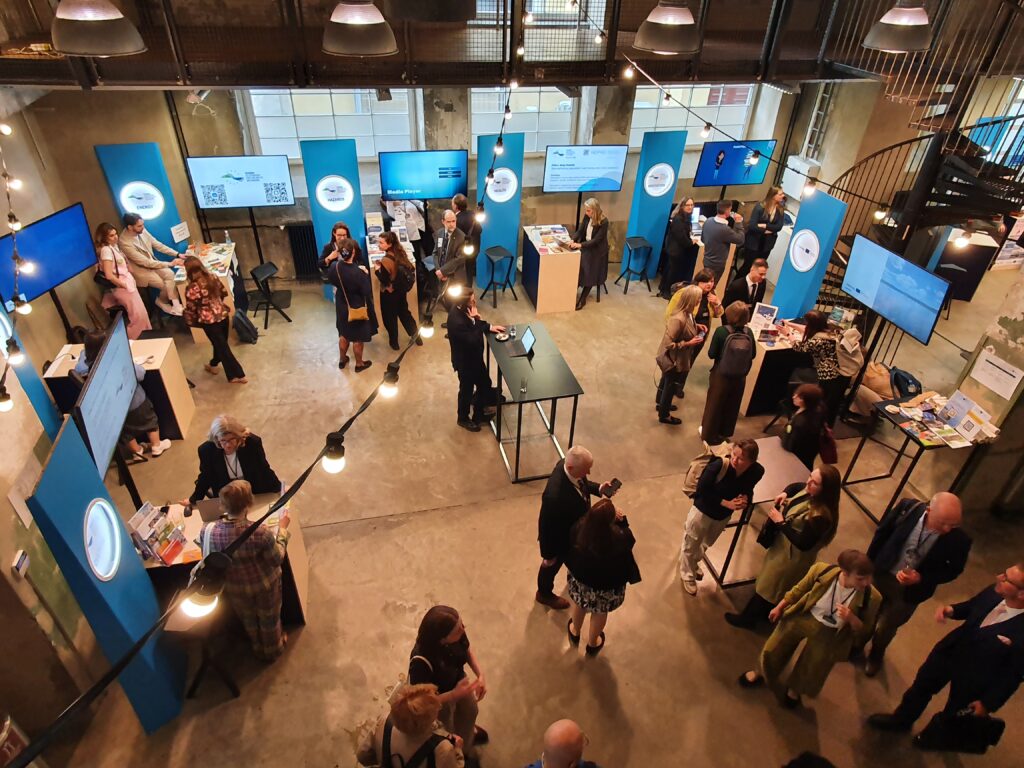
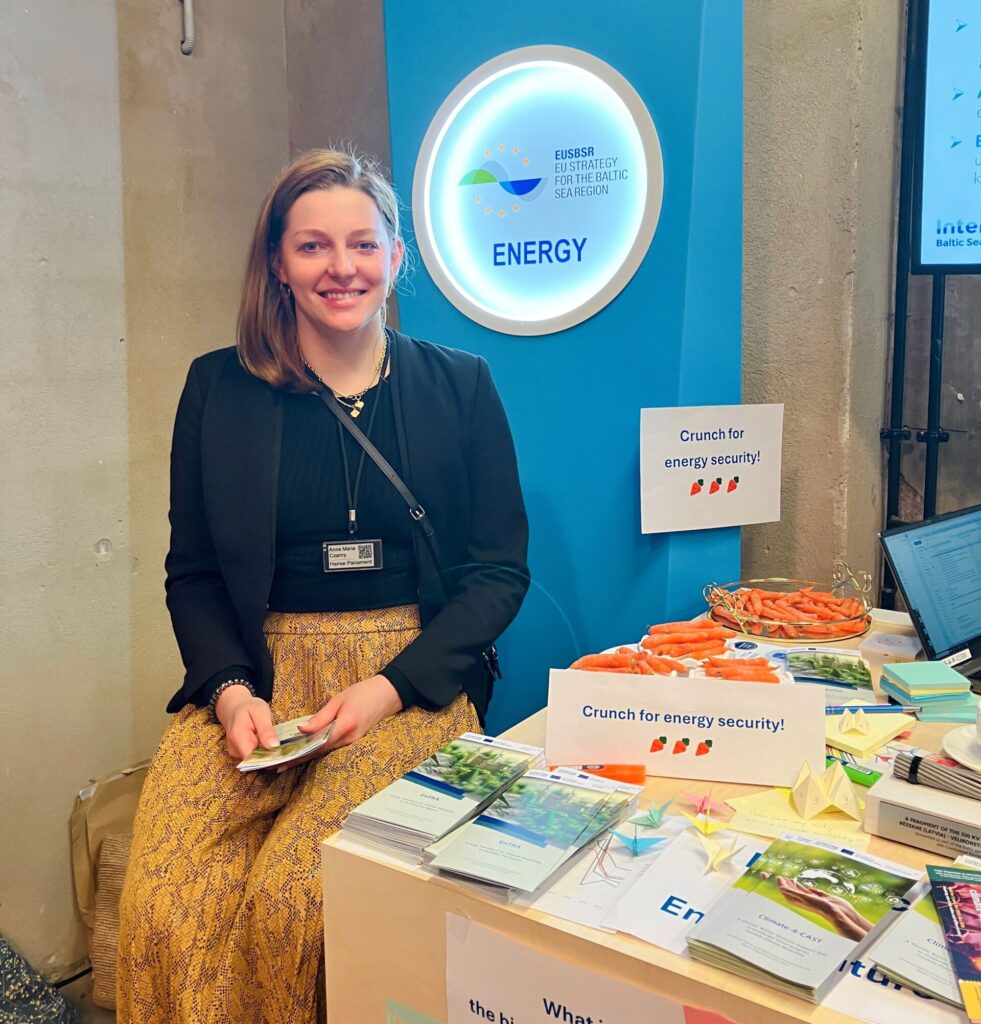
As a direct contributor to Policy Area Energy under the EUSBSR, EnTRA was represented at the PA Energy stand in the Networking Village alongside the participating platform projects EasyEnergy and Climate-4-Cast.
The host for the Annual Forum 2026 is the City of Tallinn and the Forum is organised together with the Council of the Baltic Sea States Secretariat (CBSS) in close collaboration with the Ministry of Foreign Affairs of Estonia and the Baltic Sea Strategy Point. The event is funded by the Interreg Baltic Sea Region Programme, the City of Tallinn and the Council of the Baltic Sea States Secretariat.
Stay connected – Join the EnTRA Knowledge Community
The connections made at the EUSBSR Annual Forum in Tallinn don’t have to end there. The EnTRA Knowledge Community is a collaborative network of stakeholders who engage in structured learning and exchange. It brings together public authorities, experts, project partners, and associated organisations to strengthen capacities and support the uptake and long-term use of energy transition solutions and project results.
By joining, you will have the opportunity to connect with peers across the Baltic Sea Region, participate in webinars and mentor group meetings, and exchange experiences on key topics such as energy efficiency, integrated energy planning, governance, and climate resilience. You will also gain access to practical tools and resources, including the EnTRA Resource Hub.
Participation is free of charge and flexible – members can join and leave at any time.
Click here to sign up to the knowledge community.
For more information on EnTRA, click here. Follow EnTRA on LinkedIn here.
Practical tools from the EnTRA Resource Hub
The EnTRA (Energy Transition for Climate Neutrality in the BSR) project platform brings together results from 18 EU energy transition projects, offering a dynamic overview of innovations, tools and approaches for advancing sustainable energy systems. Here are some of the tools and guides across EnTRA projects, that will be part of its Resource Hub.
Try this idle-clicker browser game and learn about different low-cost energy-saving solutions. This game was developed as part of the Easy Energy project, which aims to create simple and inexpensive solutions for municipalities and enterprises that can be implemented quickly and help reduce energy consumption in existing buildings.
The CommitClimate CO₂ Simulator enables local authorities to model emission reduction scenarios, compare policy options and make data-driven decisions tailored to local conditions. Their Resources and Training page presents key insights, best practices and learning materials of the project, including slides & self-assessment tool.
The Energy Equilibrium platform is an online tool that enables municipalities and local energy suppliers to model energy systems, explore development scenarios, and assess the role of energy storage in regional planning. This helps local authorities design more effective renewable energy strategies.
The CCI4Change toolkit supports local authorities in working with the cultural and creative sectors to engage communities in creative climate action. The toolkit has been validated in three locations – Jurmala, Skåne and Kotka – where artists worked with locals for energy consumption behavioral change.
The Enercracy project offers a Catalogue of Measures with examples from Estonia, Latvia, Finland, Poland and Sweden to help municipalities enable energy communities, prosumerism, and solar and wind energy.
PV4All project created toolboxes for private individuals, institutions, and public authorities to support the implementation of small-scale photovoltaic systems. Find these toolboxes on their project website. As part of the project, they also developed guides on balcony power plants in 11 languages.
The BOOSTEE-CE and TARGET-CE projects developed the OnePlace web platform, bringing together energy efficiency resources – best practices, action plans, tools, educational materials, and financial roadmaps – to support public authorities, energy agencies, and citizens in improving energy management and saving energy.