by Ema Novak from Medjimurje Energy Agency
Energy poverty is an increasing social challenge across Europe, disproportionately affecting vulnerable groups such as low-income households, older adults, minority communities, and other at-risk populations. Although often associated with large urban centres or less developed regions, energy poverty is also present in smaller and stronger communities. This is evident in Medjimurje County, where aging buildings, rising energy prices, and limited financial capacity among parts of the population increase the risk of the mentioned challenge.
The project CEESEN-BENDER seeks to raise awareness of these challenges through practical activities, including energy poverty surveys, air quality monitoring, training sessions, and educational workshops. The project also supports the development of tailored roadmaps to promote energy renovation of multiapartment buildings in selected regional and local areas.
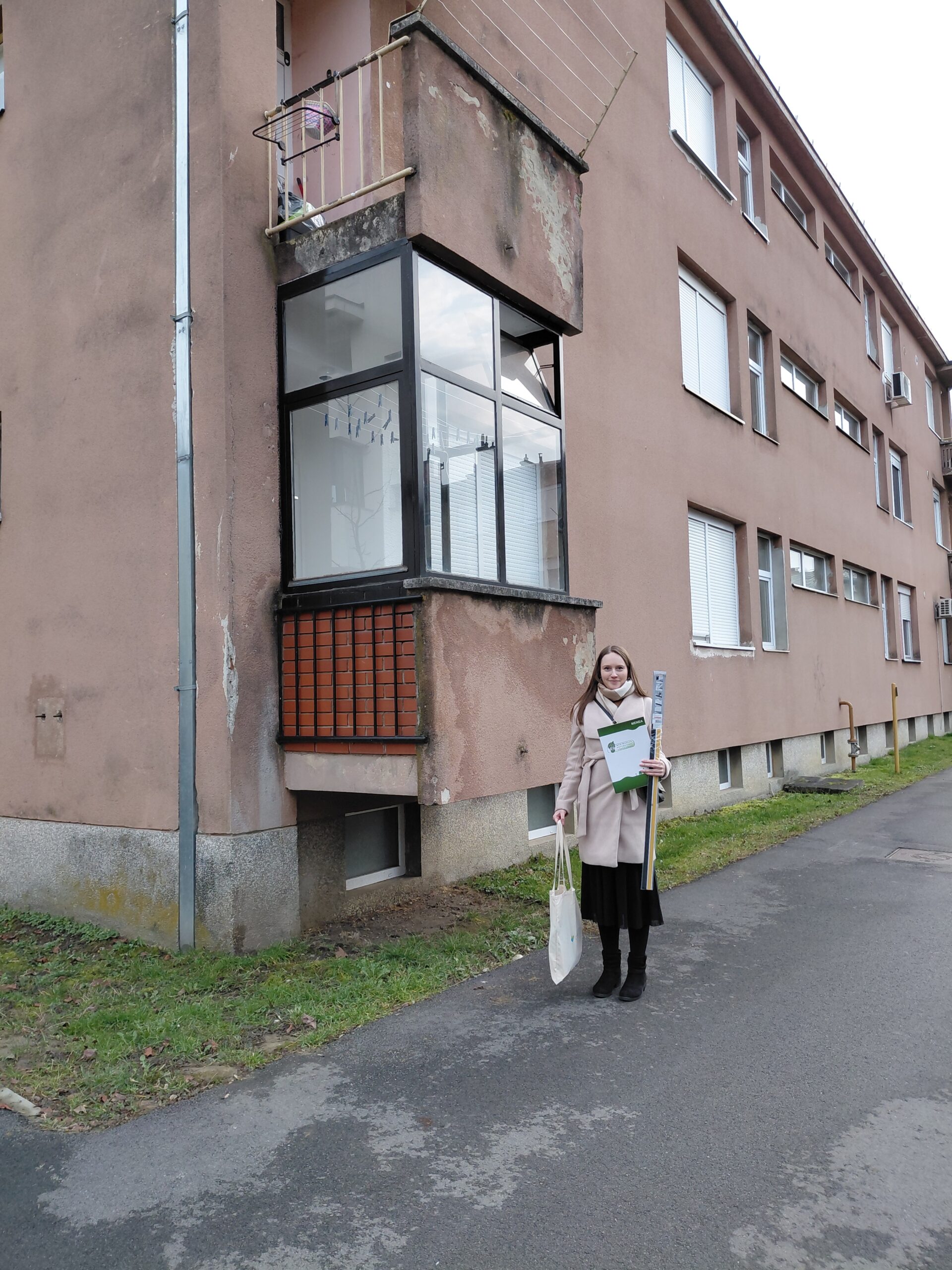
Additional insights were gained through expert visits to vulnerable households conducted by members of MENEA and DOOR, with the support of the building managers GP Stanorad d.o.o. and Euroland d.o.o. Seven households across six unrenovated multiapartment buildings in the town of Čakovec (located in Medjimurje County, one of the project’s pilot areas) were assessed. The expert team evaluated both apartment-level and building-level conditions and provided recommendations to improve the living comfort, energy efficiency, and overall building performance.
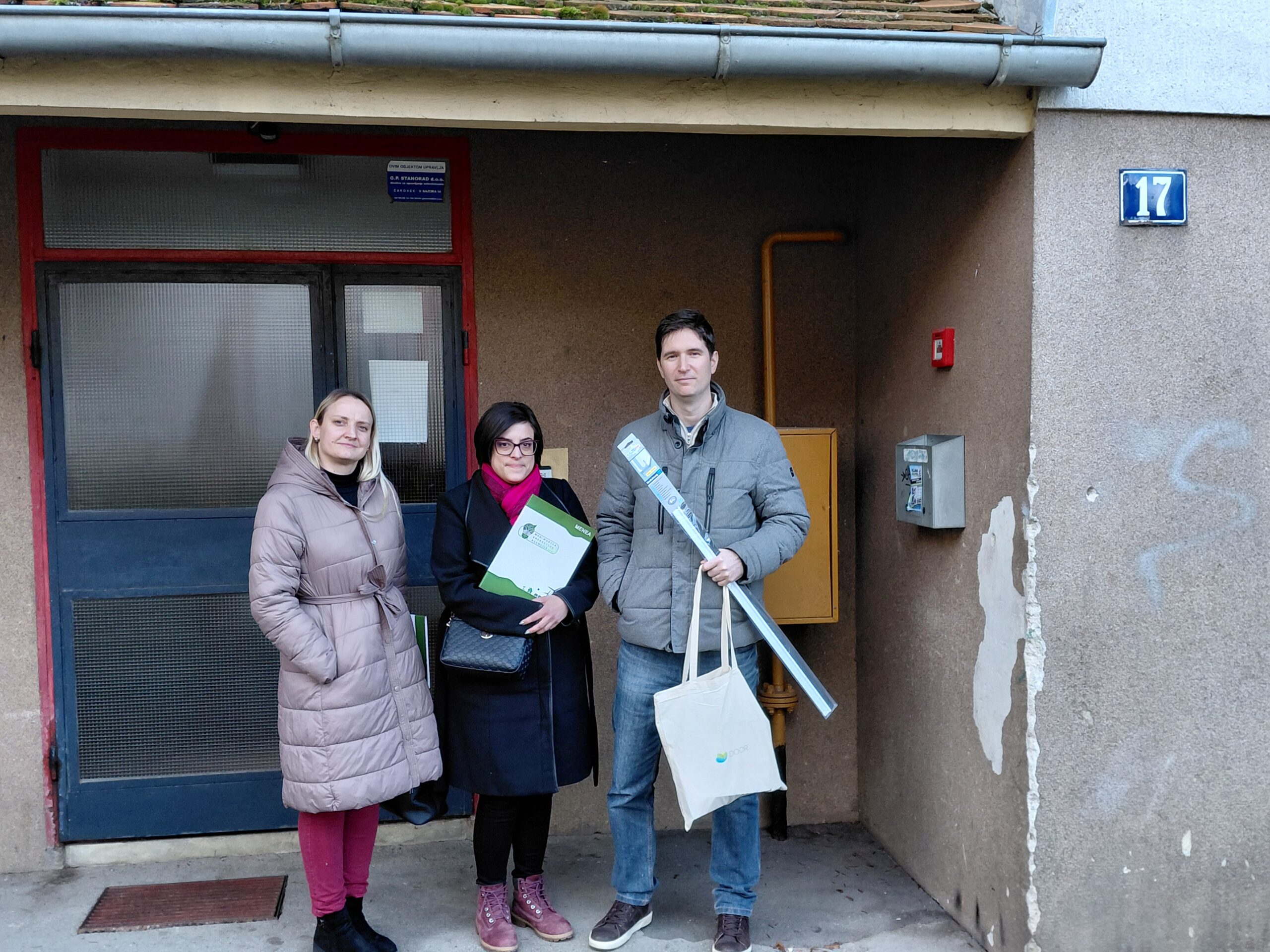 The visits identified several recurring issues. Inadequate insulation led to water penetration, dampness, and mould on the walls, ceilings, and carpentry. Draughts caused by permeable or improperly installed windows and doors reduced indoor temperature. Overheating in summer due to direct sunlight into the rooms caused unbearable heat in apartments on the southern side of the buildings. Outdated and inefficient household appliances increased electricity consumption and costs. Electricity-based heating prevented comfortable use of the rooms. Finally, visible structural deterioration – including damaged facades, leaking roofs, and cracked balconies – compromised the overall condition of the buildings.
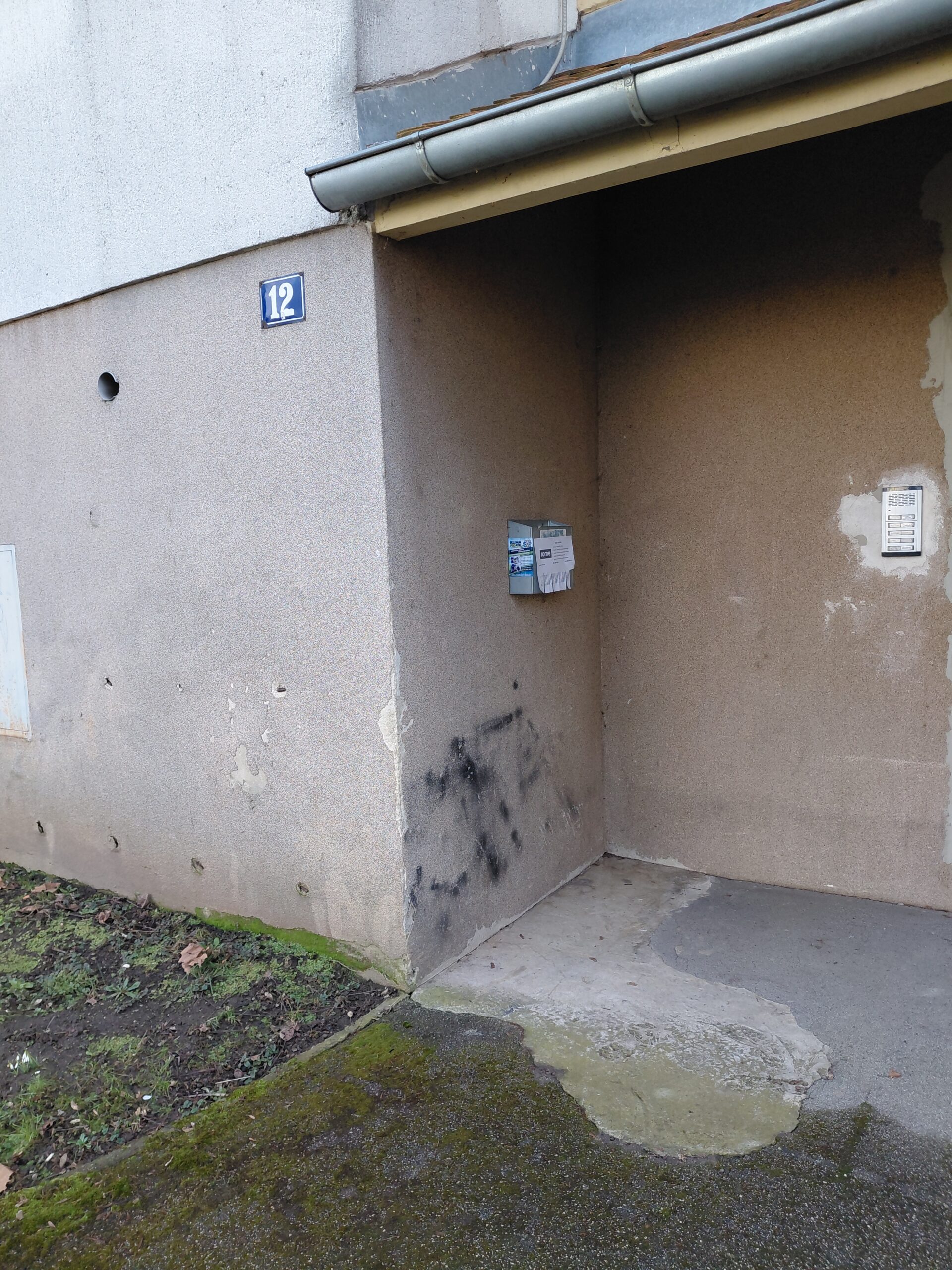
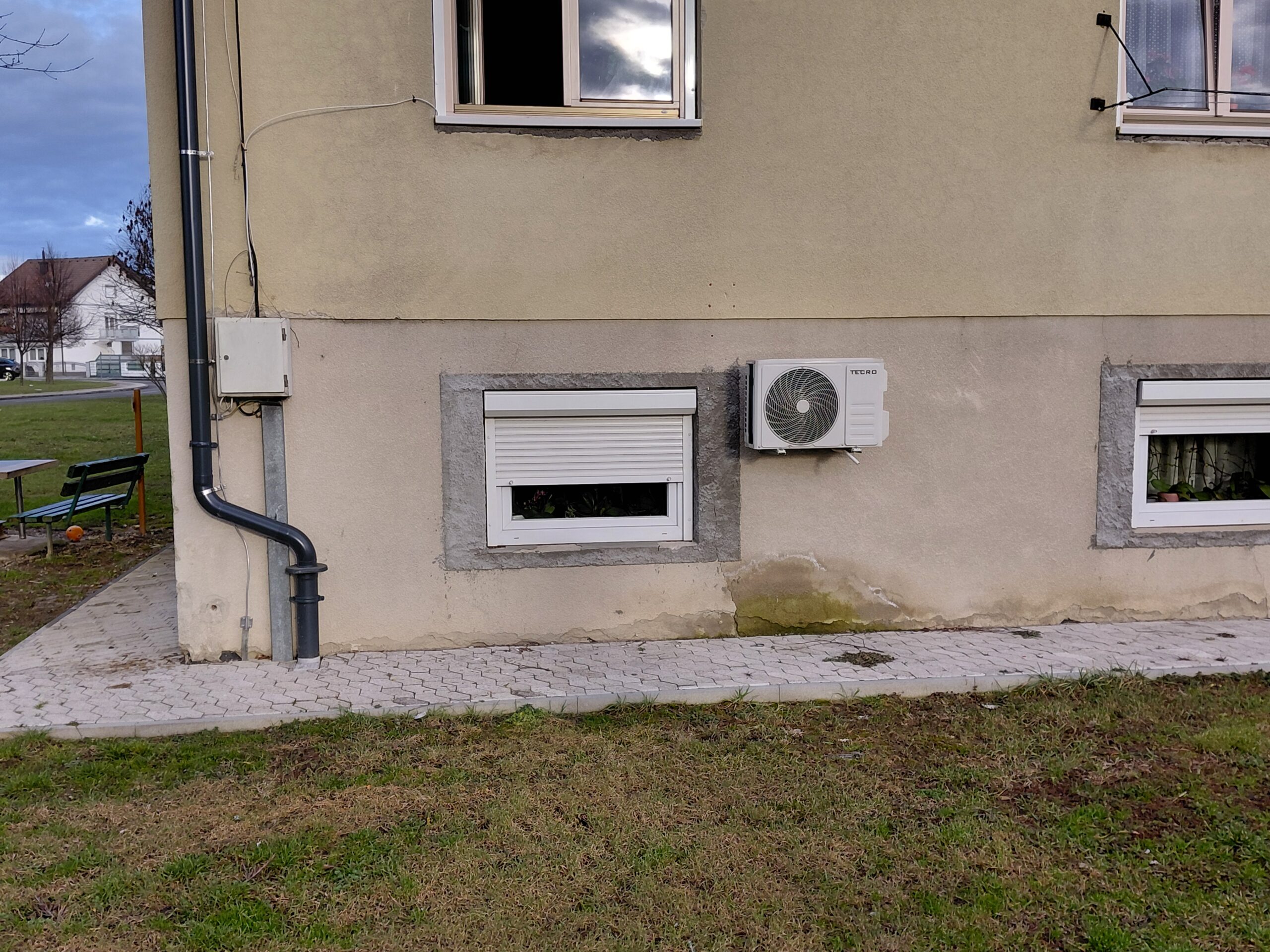
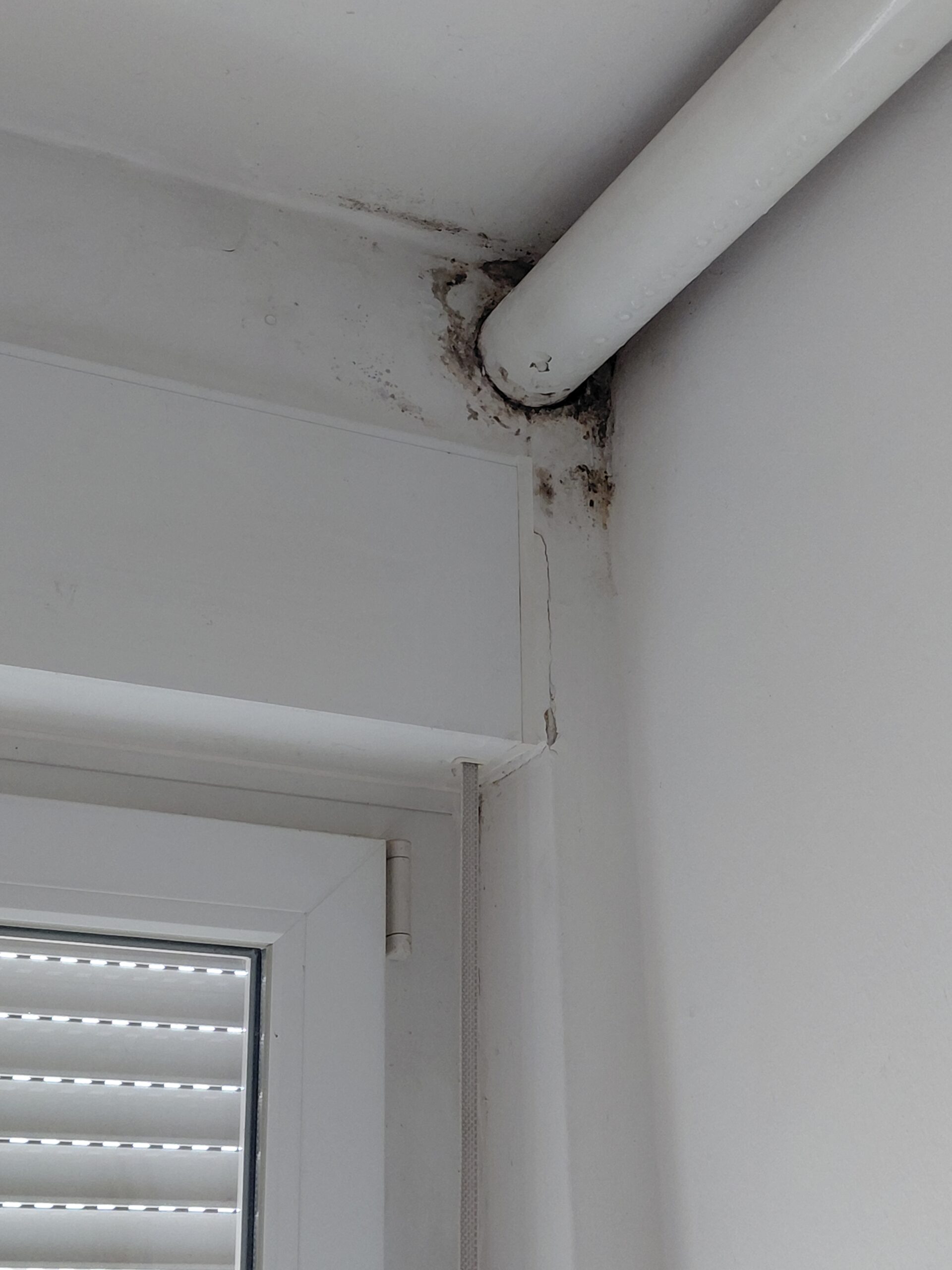
To address these problems, experts proposed various actions ranging from low-cost to comprehensive interventions. Low-cost solutions included installing window and door seals, adjusting the windows’ setup according to the season (winter/summer mode), applying tint films for prevention of direct sunlight, improving heat retention with thermal foils and carpets, as well as switching to energy-efficient lighting. Medium-cost measures involved replacing household appliances (energy class B or higher) or regular maintaining of the existing ones and installing ventilation systems, monitoring devices and dehumidifiers to improve indoor air quality and moisture control. While major apartment-level investments were not recommended, comprehensive building renovation is strongly advised. This includes thermal insulation upgrades, foundation reinforcement and waterproofing and replacement of external carpentry in order to strengthen the structure, prevent deterioration and improve the buildings’ efficiency.
The findings of the conducted visits confirm that energy poverty is present, in some form, in all observed apartments in the town of Čakovec. Although the assessment was carried out on a relatively small sample, it suggests that most unrenovated multiapartment buildings in Medjimurje County are in similar condition and provide comparable living standards. Addressing the need for energy renovation and tackling energy poverty, therefore, requires gradual, well-coordinated actions. This process begins with expert consultations and behavioural changes, and continues through long-term structural and energy-efficiency improvements, to foster a more resilient, sustainable, and engaged society that guarantees secure, affordable, and sustainable energy access for all stakeholders.